

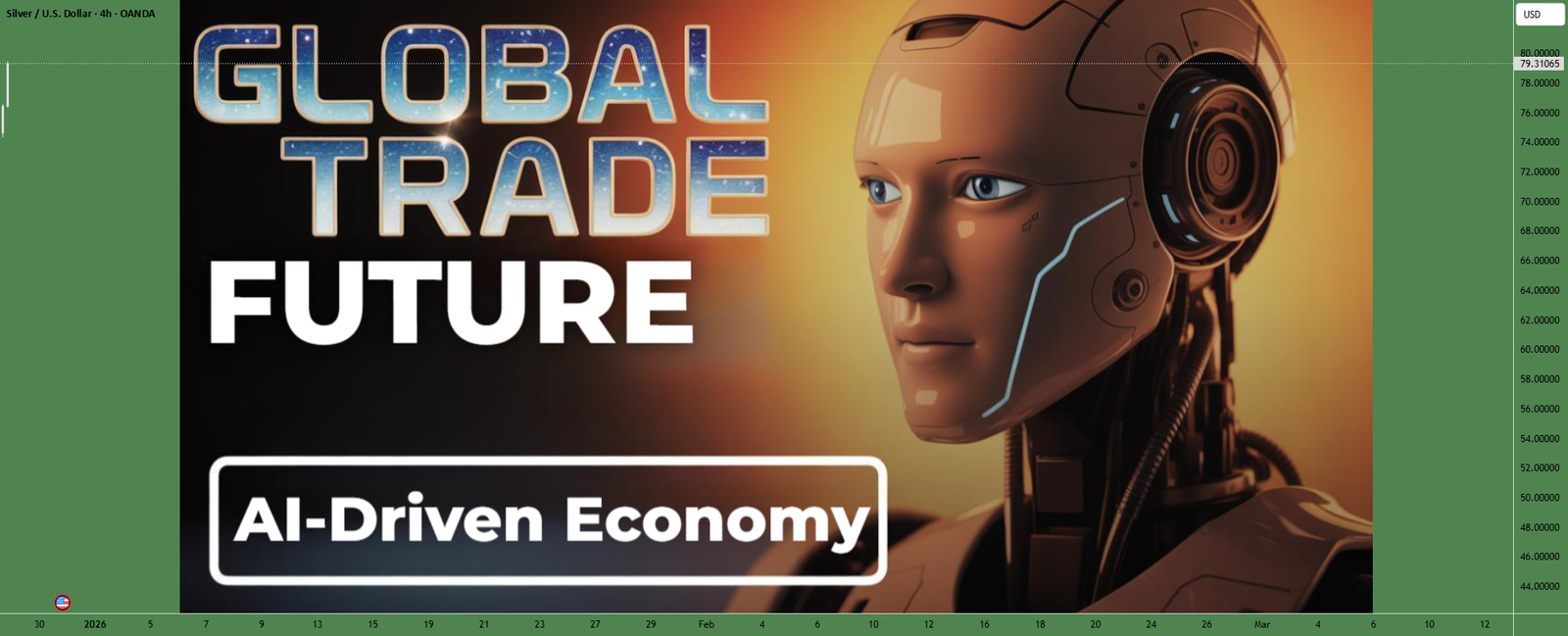
AI has the potential to revolutionize global trade by optimizing supply chains, reducing costs and improving decision-making. Traditionally, business operations have been hampered by inefficiencies such as manual logistics management, inaccurate demand forecasts and bureaucratic delays in customs and regulatory processes. With AI-powered tools, businesses can leverage predictive analytics, real-time monitoring, and machine learning algorithms to anticipate demand, optimize inventory levels, and streamline transportation routes. This results in faster delivery times, reduced waste and cost savings, making global trade more resilient and responsive.
Additionally, AI-based automation in ports, warehouses and customs formalities can significantly reduce administrative bottlenecks. Intelligent logistics systems can dynamically reroute shipments in response to geopolitical events, weather disruptions or sudden spikes in demand. In this sense, AI not only improves efficiency: it makes global trade more adaptive and risk-aware.
AI and the reconfiguration of global supply chains
One of the most significant impacts of an AI-driven economy is likely to be the reconfiguration of global supply chains. Currently, many supply chains are linear and rely on low-cost labor markets. However, AI and robotics are reducing reliance on human labor for common manufacturing, assembly and logistics tasks. This technological shift could encourage the reshoring or offshoring of production to countries with advanced AI infrastructure, high-quality workforces, and robust digital ecosystems.
Additionally, AI enables very granular demand forecasting and production planning. Manufacturers can produce products closer to demand in real time, reducing inventory costs and minimizing overproduction. This efficiency could lead to more localized production centers that supply regional markets while maintaining connectivity to global trade networks. As a result, the geography of trade could evolve, with AI enabling more balanced and resilient supply chains, less susceptible to global shocks.
Trade in services and knowledge economies
AI’s impact on global trade extends beyond physical goods. Services, especially those driven by digital platforms, are poised to dominate international trade. AI enables sophisticated financial services, health diagnostics, educational platforms and software development to cross borders without physical shipping. Countries that invest heavily in AI research and talent could become dominant exporters of knowledge and services, reshaping traditional business hierarchies.
Additionally, AI facilitates more precise and personalized services, enabling businesses to meet the needs of niche international markets. For example, AI-powered translation, customer support, and content creation tools make it easier for businesses to access multiple markets simultaneously, accelerating the globalization of services.
AI-driven business policy and regulatory challenges
The rise of AI in global trade will likely also require a reassessment of trade policies and regulations. Governments will face questions over data sovereignty, intellectual property, AI ethics and cross-border digital taxation. AI algorithms can generate highly detailed economic insights, allowing countries to design trade strategies with unprecedented precision. However, it also raises concerns about fairness, transparency and potential AI-induced economic protectionism.
International trade agreements may need to evolve to address AI-specific issues. For example, rules governing automated pricing algorithms, AI-based customs processing and cross-border data flows will become essential to maintaining fair competition. Countries that quickly adapt to these regulatory challenges while fostering AI innovation are likely to gain a strategic advantage in an AI-driven global economy.
Investment and competitiveness in an AI economy
Investment models in an AI-driven economy will significantly shape global trade dynamics. Companies and nations that prioritize AI research, infrastructure and digital talent will become global leaders. These leaders will have the ability to produce goods and services more efficiently, innovate quickly, and respond with agility to market fluctuations. As a result, AI could exacerbate existing trade imbalances unless lagging countries adopt targeted policies to catch up in AI development.
Additionally, AI can improve market intelligence, allowing businesses to identify emerging trends, untapped markets and potential risks. Businesses equipped with AI-powered analytics will be able to adjust their international trade strategies faster, gaining competitive advantages in a volatile global economy. This increased level of sophistication in business management could reshape global market shares and influence geopolitical relations.
Risks and ethical considerations
While the AI-driven economy presents many opportunities for global trade, it also introduces risks. Overreliance on AI could lead to systemic vulnerabilities if algorithms malfunction or are manipulated. Cybersecurity threats in AI-controlled business networks can disrupt global commerce. Additionally, AI adoption may exacerbate inequalities between technologically advanced countries and those with limited access to AI infrastructure.
Ethical considerations, such as algorithmic bias, labor displacement and environmental sustainability, will also play a crucial role. As AI optimizes production and logistics, pressure on labor markets in low-cost manufacturing countries could intensify. Addressing these challenges requires coordinated international policies, social safeguards and investments in mastering AI and reskilling the workforce.
Conclusion
The future of global trade in an AI-driven economy is characterized by efficiency, precision and adaptability, but also by significant structural changes and challenges. AI is poised to redefine the way goods and services are produced, transported and consumed across the world. This will reshape supply chains, improve service exports, influence investment flows and require new regulatory frameworks. Countries and companies that strategically adopt AI technologies while considering the ethical and social implications will be well-positioned to lead this evolving business landscape.
Ultimately, the AI-driven global economy promises a world where commerce is smarter, faster and more interconnected. Yet the transition will require careful management of technological, economic and social risks. By balancing innovation and responsibility, the international community can harness AI to create a more efficient, equitable and resilient global trading system.