

This orchestrator AI agent functions as a conductor managing multiple specialized healthcare programs, with each AI-driven agent functioning as a standalone software component capable of performing distinct tasks independently.
The system operates primarily autonomously, allowing the integration of various medical applications without manual coordination.
Nvidia provides essential infrastructure through its NIM microservices – pre-configured AI tools ready for rapid deployment – and reference designs called Blueprints, which provide the basis for rapid implementation.
Improve productivity with administrative automation
The primary goal of healthcare providers is to allocate AI to administrative burdens, allowing healthcare professionals to prioritize direct patient care.
Healthcare officials could reassign staff from paperwork to clinical tasks, potentially improving revenue and job satisfaction.
For patients, this transformation translates into reduced waiting times and improved individualized care tailored to their needs.
The effectiveness of this technology has not yet been fully exploited in practical settings, but Fujitsu plans to partner with global medical institutions to evaluate its capabilities next year.
The pilot programs will provide data on real-world platform performance in complex healthcare environments, where regulatory compliance and patient safety remain priorities.
Create a market for specialized AI tools
Fujitsu’s approach allows integration with AI agents from other companies, creating a marketplace where various vendors can bring specialized tools to the ecosystem.
This open architecture could appeal to healthcare establishments, which are often cautious about massive technological changes that could disrupt established workflows.
Gradual adoption of AI without completely overhauling current systems could make the transition more palatable to conservative healthcare organizations.
The flexibility of the platform allows institutions to select and implement specific AI agents based on their unique operational requirements, rather than adopting a one-size-fits-all solution.
This modular approach recognizes the diverse needs of different health care settings, from large hospital systems to small specialty clinics.
Expanding beyond healthcare: full-stack AI infrastructure
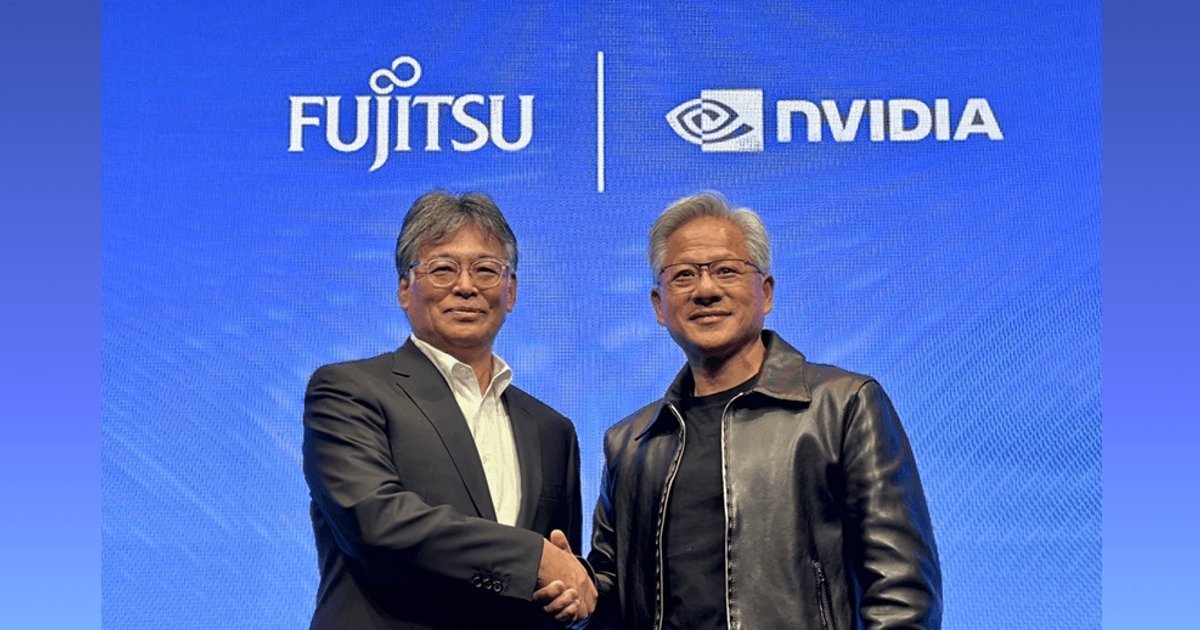
Although healthcare is a top priority, the expanded strategic collaboration between Fujitsu and Nvidia extends beyond medical applications.
The partnership aims to create a comprehensive AI infrastructure integrating AI agents across multiple industries, including manufacturing and robotics.
Takahito Tokita, Representative Director and CEO of Fujitsu, said: “Fujitsu’s strategic collaboration with Nvidia will accelerate AI-driven business transformation in the enterprise and government sectors.