

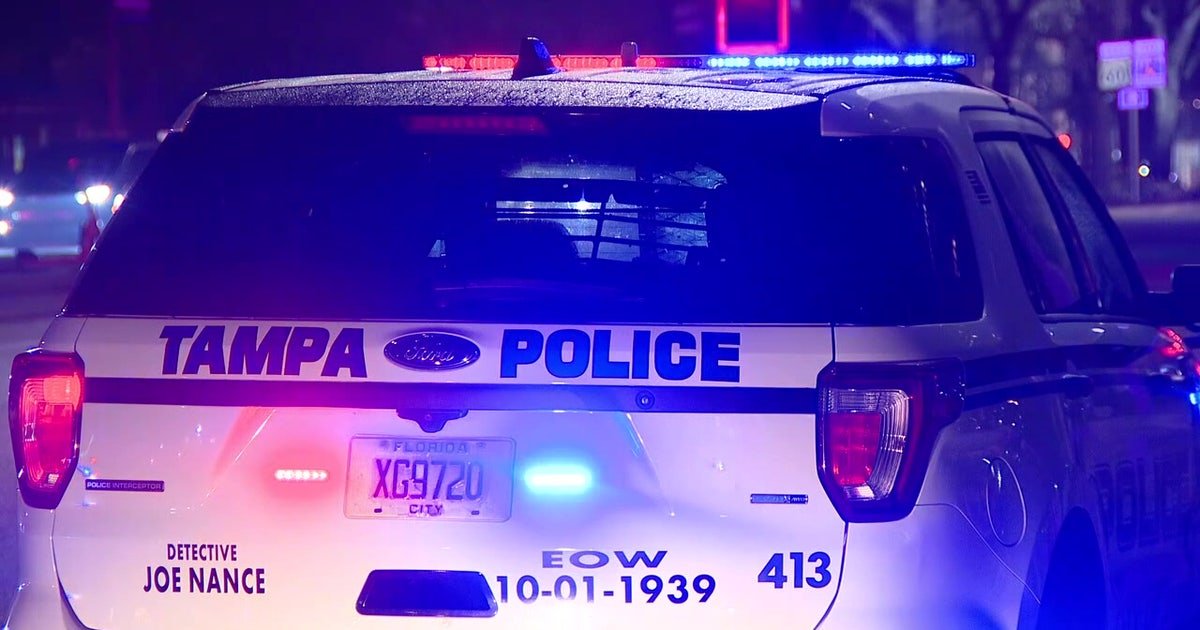

TAMPA, Florida. – Tampa police officers have several new AI-based tools to help them on the scene.
The Tampa Police Department has rolled out several new tools through Axon Assistant’s Prepared 911 and Policy Chat & Translation.
What we know:
Tampa Police Chief Lee Bercaw says time is of the essence in many of the situations his officers respond to. He says these tools will not replace officers, but will offer real-time assistance when communicating with callers or subjects on scene.
“This is to help us address our sense of urgency, reduce crime and increase our transparency,” Bercaw said.
READ: City of Tampa calls on developers to submit proposals for sale of police headquarters
He says they’ve done trial periods with some of these new technologies, and they’ve all been officially rolled out for officers and dispatchers to use. He says that the financing of AI body camera technology was included in the department’s most recent contract with the company it works with.
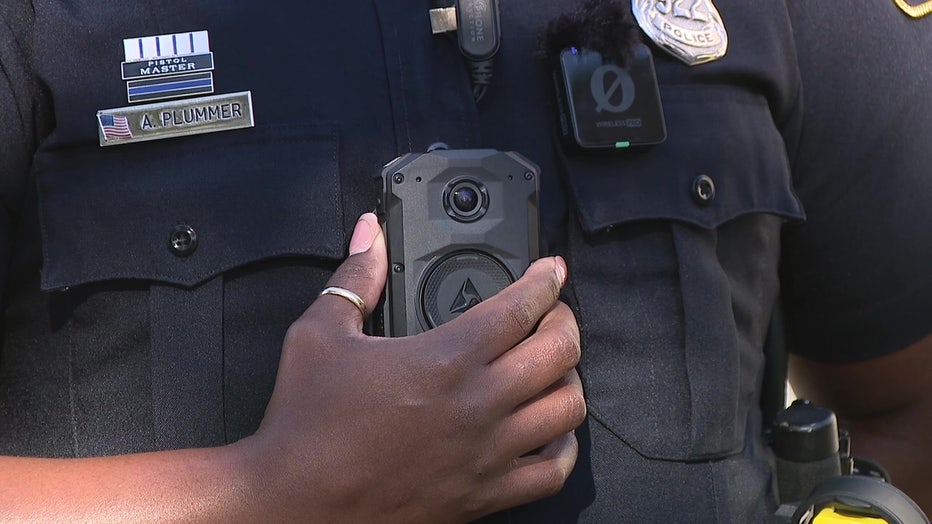
The chief says the Prepared 911 program is funded by Hillsborough County 911.
According to the chief, the department had a historic year in crime reduction, with significant declines in homicides, violent crimes and property crimes.
Language translation via bodycam
The first piece of technology officers now have is their body-worn cameras. The technology provides real-time translation of 54 languages.
“On our body cameras, we are able to translate in real time and automatically detect any type of language that we don’t know,” said Officer Jaclyn Douillard.
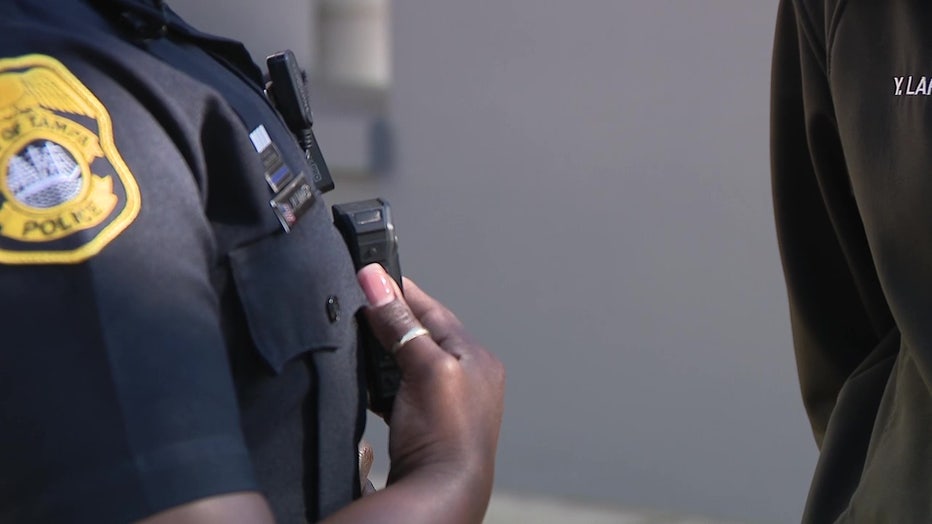
Technology built into an officer’s body camera can detect the language a person is speaking to them in, translate it in seconds, and repeat it back to an officer in English. It can then translate an English sentence into dozens of languages, including Spanish, Portuguese and Russian.
Officer Jaclyn Douillard says the technology was a game-changer when she recently responded to a robbery call.
“This body camera and translation allowed us to obtain a description of the suspect and a description of the vehicle, as well as the items that were in the lady’s purse,” Douillard said.
Before having this technology, officers would have to wait for backup from an officer who can translate, which would delay traffic stops and calls for service.
“Prepare 911”
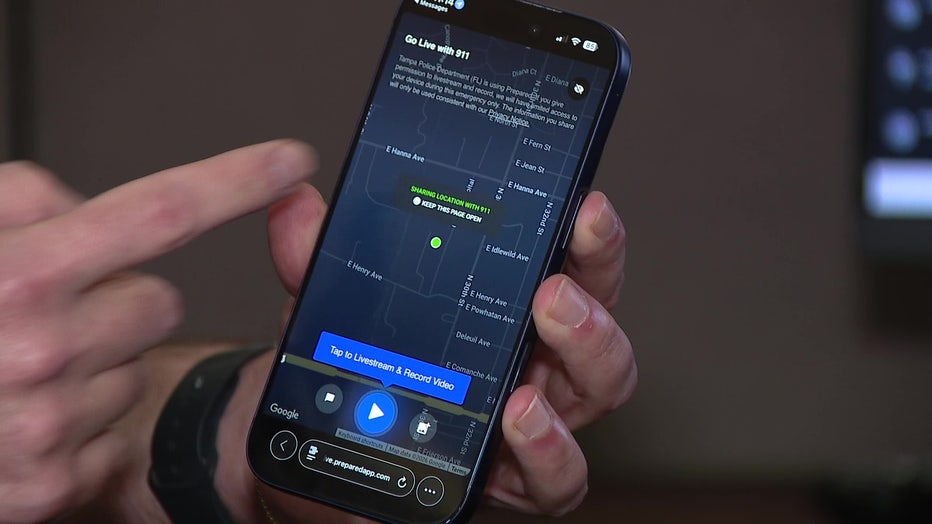
The second piece of technology launched by the department includes a live photo and video calling feature that dispatchers can use with 911 callers.
“If someone on the phone says someone has a gun and we can’t get that type of information, now we can see it,” Bercaw said. “What type of weapon is it? Is it an automatic weapon? So all of that could change our answer.”
Dig Deeper:
When someone in a major emergency calls 911, a dispatcher can text them a link to start a video call. That caller must grant access to start the call by clicking on the link, and they can then show dispatchers what’s happening on a scene.
However, this feature will not be used on every call.
READ: New app coming to Tampa, aiming to keep community informed with artificial intelligence
“So you want to make sure that someone who’s filming isn’t going to start chasing a suspect just to get a picture of their face,” said Richard Parsons, 911 communications supervisor. “Or, you see a reckless driver and you think that would be a good time to start chasing a car because they’re driving recklessly.”
If someone is unable to communicate verbally during a 911 call, Parsons says dispatchers can still help facilitate a live video call.
“The platform allowed live video to come to the dispatcher and if they are not able to talk, then dispatchers can text the person who is on live video with us,” he said.
Parsons says it can also help better prepare officers for the scene they’re heading to.
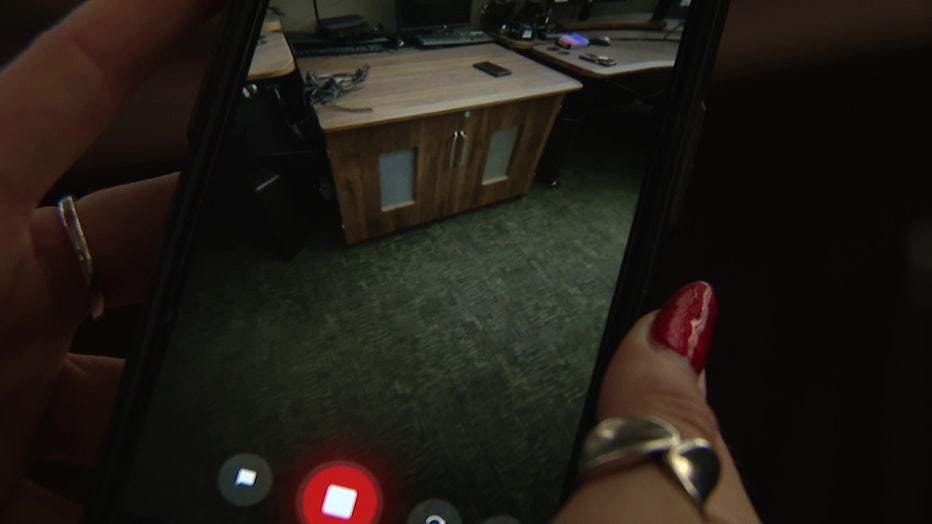
“We can see something in the background that is even more important for first responders en route to an emergency,” he said.
Once the call ends, the video will also end.
“Once the call is over, the whole discussion will disappear,” Parsons said. “And basically we will send you an updated chat that this call is closed. Please do not respond to this text message as they will not be monitored. A new call to 911 would be necessary at this point.
Overview:
He says videos and photos from that conversation will be uploaded to the file and part of the call recorded in the system.
Dispatchers can also take calls from non-English speakers. The new platform can translate more than 100 languages.
“Take operators will be able to respond in their native language by typing in English,” Parsons said.
Police say they also have technology that will be able to help someone with certain non-urgent concerns.
“So, someone calls and needs a website to try to make a report or, for example, ‘I need the number for district two,’ and they might be driving a vehicle,” Parsons said. “So to not make them stop or, ‘I can’t find a pen right now,’ well, we can just send you a text message with that information.
AI-powered chat
The department also launched AI-based technology to allow officers to search for information on policies and procedures in real time.
“As you can imagine, police officers have a multitude of policies and procedures,” Bercaw said. “It’s vast. How can we achieve this in a timely manner? How to absorb it in real time using AI? You think, just like a Google AI response, think about it internally. Basically, for all of our policies and procedures, officers now have the ability through an app to go through and type in, “I’m responding to a domestic violence call, what are the things I need to know?” » And he will immediately respond with that. »
The source : FOX 13’s Kylie Jones gathered this information during a press conference involving the police department and 911 dispatchers.