

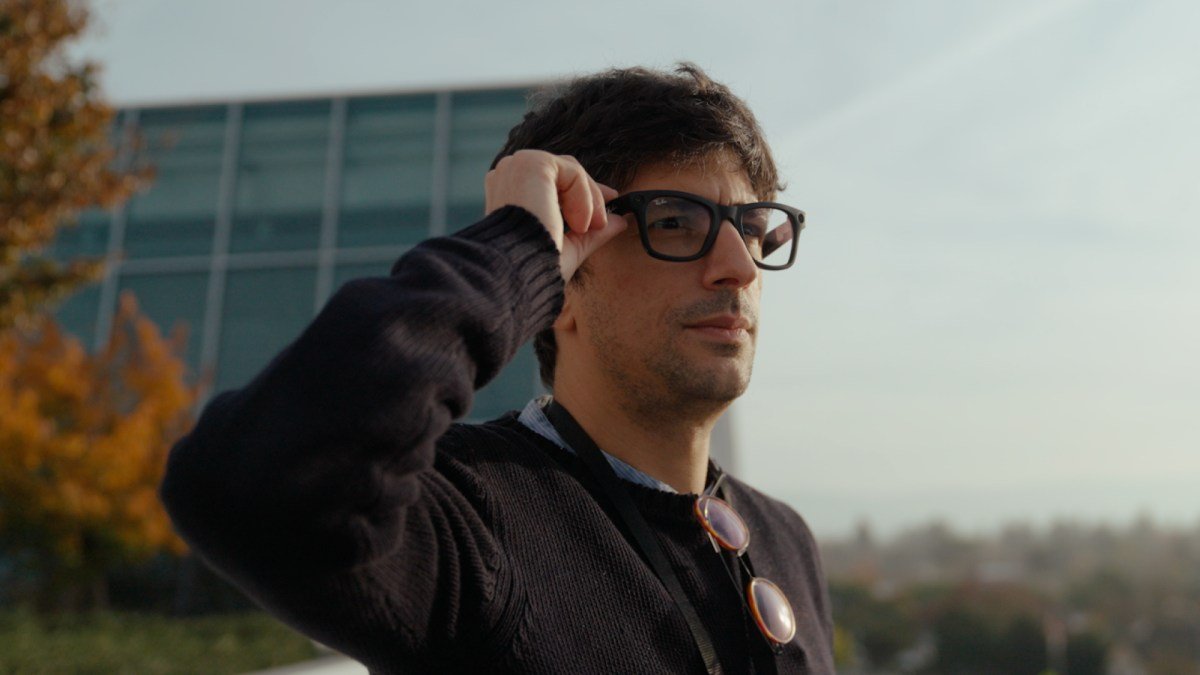
Our AI glasses are reshaping the way people perceive the world, opening new avenues for creativity and self-expression while allowing you to learn and connect more intuitively. They also generate economic and societal value by providing farmers with real-time agricultural data on their crops, enabling college athletic trainers to record real-time injury notes on the playing field, and helping universities assist future filmmakers.
We want to support groups with good ideas so they can have a greater impact in their communities. Today we are launching our AI Glasses Impact Grants which will support organizations using our AI glasses to drive positive societal and economic progress.
There are two types of grants Based in the United States Organizations can apply for: Accelerator Grants for those already using our AI Glasses to scale their impact, and Catalyst Grants for organizations delivering new, high-impact applications using our Device Access Toolkit.
We will award 15 Accelerator Grants of $25,000 and 10 of US$50,000, depending on the scale of the project. We will also award five Catalyst Grants of $200,000. In total, we will award nearly $2 million to more than 30 organizations and developers. Whether you’re a two-person startup organizing beach cleanups or a multi-state company using our glasses to support accessibility, we want to hear from you.
More than 80 developers and innovators gathered for our Wearables Community Summit in December 2025, which showed us how they are using our glasses to create new experiences, solve real-world problems, and drive innovation.
For example, Kevin Lang, president and CEO of an agricultural software company Age pointuses our glasses to provide farmers and farm workers with hands-free, real-time AI capabilities to diagnose crop health, project harvest readiness and yield, and capture spatial data for better decision-making.
David Gallegos, MA, ATC, Cert. MDT, member of National Athletic Trainers Association (NATA), integrates Ray-Ban Meta eyewear into the care and education of its patients, on and off the field. Using the glasses’ voice recognition capabilities, he and other NATA members can take real-time notes on players’ injuries and update their charts hands-free.
San Diego State University’s School of Theater, Television and Film is also using our AI glasses to help future filmmakers. Stuart Voytilla, a professor at the school, said the accessible format of the glasses is a game-changer for allowing students to easily record images. He added that they allow students to quickly scout locations and pre-visualize shots, making early filming more accessible and collaborative.
You can apply for an AI Glasses Impact grant here. Applications close March 9, 2026.