


Crisis24 is a client of Business Reporter
As risks multiply and spread faster than ever, supply chain resilience in 2026 requires real-time intelligence and built-in flexibility.
The rules for managing global supply chain risks are being rewritten in real time. Trade relationships are evolving, technology is creating new opportunities and vulnerabilities, and regional hotspots are threatening critical logistics corridors. For global organizations in 2026, the ability to adapt will be just as important as the ability to plan, as disruptions now spread quickly and with greater reach.
Technology and risk velocity
Speed has become the defining characteristic of modern supply chain risk. Technology allows a localized incident to spread across global networks, affecting markets, shipping logistics and business reputations on every continent. A cyberattack, viral disinformation or infrastructure failure rarely remains under control. Social platforms and AI-based systems are accelerating the spread, potentially turning a regional power outage into a global IT disruption or a false story into protests that close transportation routes.
Real-time visibility is essential because threats spread more quickly across interconnected networks. Risk management platforms such as Crisis24 Horizon centralize global threat intelligence and incident monitoring, providing organizations with a shared, real-time view of emerging disruptions and the ability to coordinate responses as events unfold. These tools help accelerate decision-making and reduce the operational impact of fast-moving events by providing security and supply chain managers with a unified view of disruptions.
Risks are also converging in new ways that catch organizations off guard. Cyberattacks are growing in scale and sophistication, amplified by automation, with impacts now spanning data integrity, financial systems and physical operations. Many organizations still lack visibility into the cyber resilience of their suppliers, and attackers regularly exploit these gaps. Organizations that treat cybersecurity, physical security, and communications as separate functions will struggle when these risks converge.
US-China Competition and Trade Uncertainty
Beyond these immediate threats, a longer-term technological competition is developing between the United States and China. Both countries are working to build the energy infrastructure that AI needs. Advanced AI systems consume enormous amounts of electricity around the clock, and existing networks were not designed for this type of demand. The nation that takes the lead will have a real advantage in AI capability, with downstream effects on manufacturing capacity and global supply chains.
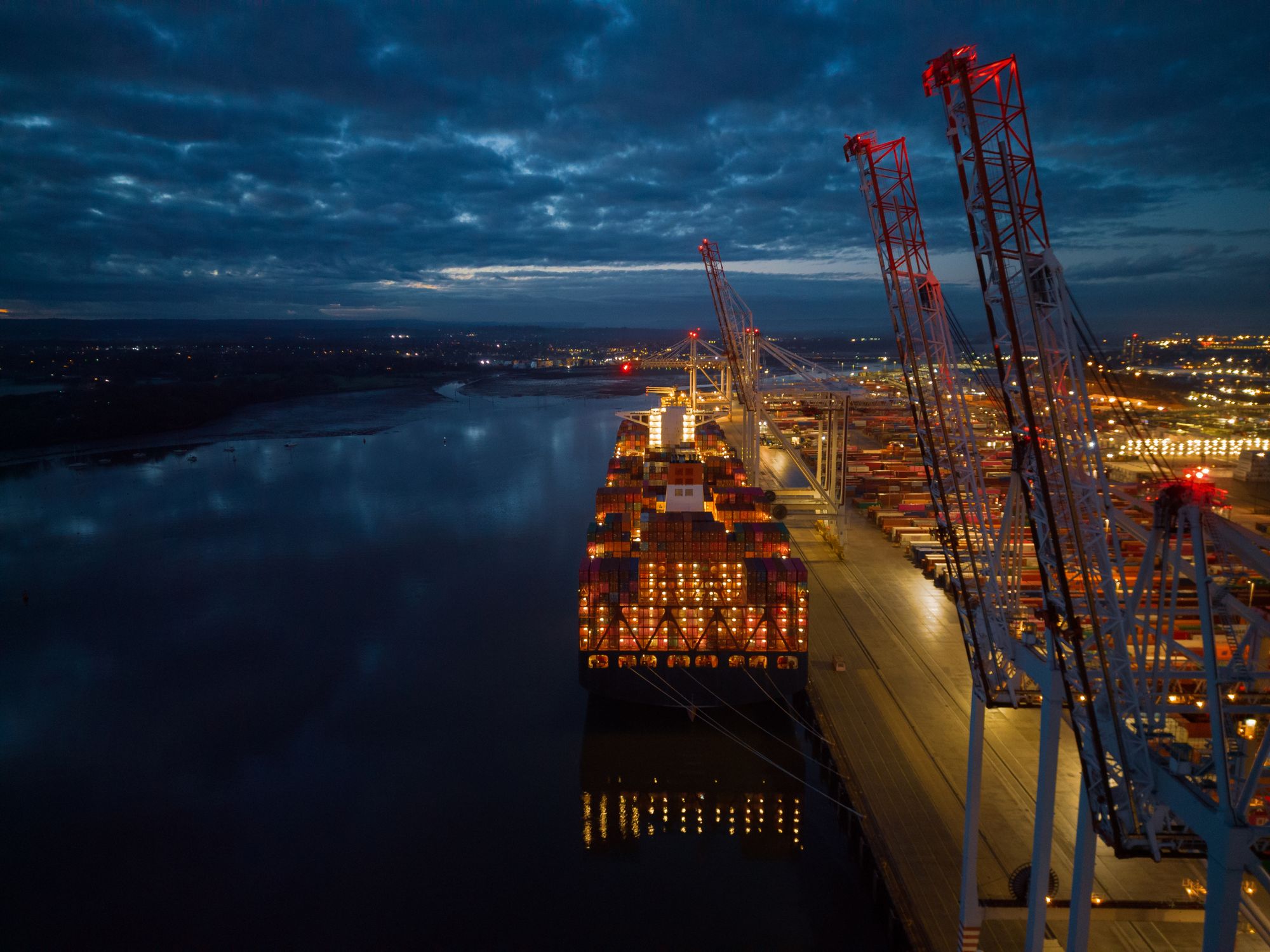
The rivalry between the United States and China extends to trade, where uncertainty has become the norm. Tariffs are imposed, suspended and reimposed without notice, making it difficult to plan purchasing, manufacturing and distribution. Uncertainty over tariffs on Chinese goods and fees imposed on Chinese-built ships entering U.S. ports are already pushing goods toward alternative routes and driving up shipping costs. Secondary ports and transshipment centers experience increased traffic, which extends delivery times and adds complexity. Over time, this congestion could spur new infrastructure investments; in the short term, however, this creates bottlenecks.
Some companies attempt to circumvent tariffs by making ship-to-ship transfers, reflagging or routing goods through third countries to disguise their origins. These tactics carry real risks, including security risks, legal risks, reputational damage and the possibility of triggering additional sanctions. Completely separating the U.S. and Chinese supply chains remains impractical given China’s cost advantages and manufacturing scale. But companies in vulnerable sectors, such as batteries, electric vehicles, aerospace, defense, semiconductors and AI, are expected to develop a more diverse footprint.
Threats to major trade corridors
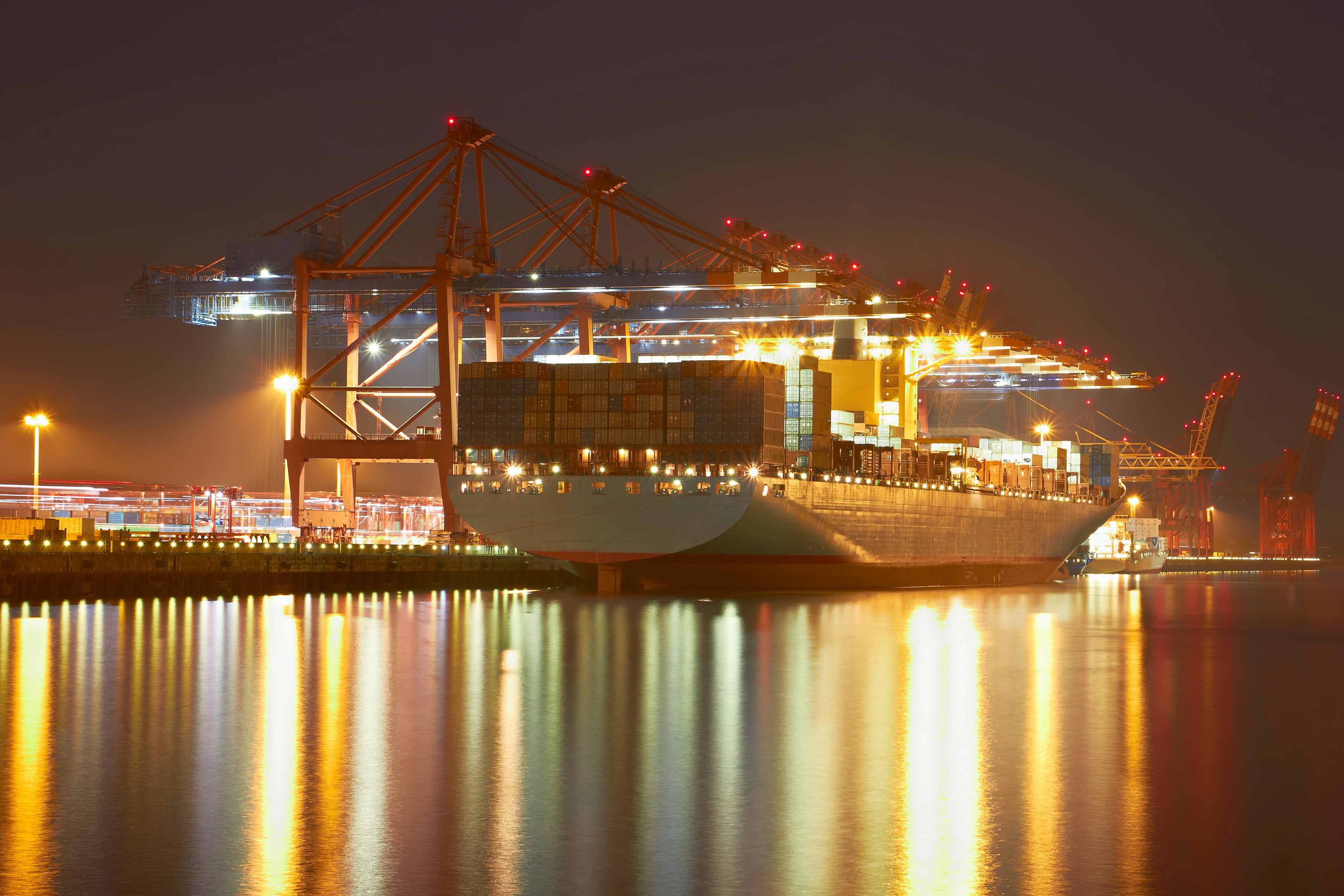
Trade policy is not the only threat to global shipping. Maritime Asia remains the most important in the world logistics corridor, and tensions show no sign of easing. Defense spending in the region has risen steadily over the past decade, fueled by U.S. political uncertainty, regional rivalries and military competition. Full-scale conflict is unlikely, but security incidents or diplomatic flare-ups could trigger limited escalation, including increased naval activity or a prolonged military buildup. Even brief standoffs can close airspace or sea lanes, increase insurance costs and create cargo backlogs. And during these times, nationalist sentiment can create reputational problems for foreign companies.
The Middle East presents its own challenges. Ceasefires remain fragile and regional rivalries continue to weigh on logistics and operational planning. Red Sea trade, which approaches billions of dollars a year, faces persistent uncertainty that affects routing decisions and transit costs for goods moving between Asia and Europe.
Risks in emerging supply chain regions
Beyond these established trade corridors, new pressures are mounting in regions critical to future supply chains. Major economies are competing for Africa’s cobalt, lithium, strategic ports and military access, and competition is expected to intensify through 2026. Fiscal stresses, growing debt and uneven foreign investment are straining institutions across the continent, leading to civil unrest and conflicts over resources.
When disruption becomes the benchmark
In every region and every risk category, the lesson is clear: a stable supply chain environment is no longer the reality. Organizations best positioned to address this instability incorporate real-time information into their decisions, pre-authorize responses, and maintain alternative sourcing options. This means securing relief port contracts and inland routes now, establishing protocols for quickly changing shipping lines, positioning inventory close to end markets, and budgeting for higher costs when Plan A fails. Supply chain disruptions are now the rule, not the exception, and risk mitigation strategies must be incorporated into every plan.
For a closer look at the regional trends and dynamics shaping risk this year, explore Crisis24’s 2026 global risk forecast: Global Risk Forecasts | Crisis24.