

Close Menu
clearpathinsight.org
  • AI Studies
  • AI in Biz
  • AI in Tech
  • AI in Health
  • Supply AI
    • Smart Chain
    • Track AI
    • Chain Risk
  • More
    • AI Logistics
    • AI Updates
    • AI Startups

Marlabs AgilityAI transforms AI adoption into successful business outcomes

February 4, 2026

FedEx Launches Berkshire Gray’s Fully Autonomous Robotic Trailer Unloader for a Safer, Smarter Workplace

February 4, 2026

Survey: Supply chain leaders bet on AI in 2026 as disruption accelerates

February 4, 2026
Facebook X (Twitter) Instagram
clearpathinsight.org
Subscribe
  • AI Studies
  • AI in Biz
  • AI in Tech
  • AI in Health
  • Supply AI
    • Smart Chain
    • Track AI
    • Chain Risk
  • More
    • AI Logistics
    • AI Updates
    • AI Startups
clearpathinsight.org
Home»AI in Technology»What We Get Wrong About the AI ​​Truth Crisis
AI in Technology

What We Get Wrong About the AI ​​Truth Crisis

February 4, 2026003 Mins Read
Share Facebook Twitter Pinterest Copy Link LinkedIn Tumblr Email Telegram WhatsApp
Follow Us
Google News Flipboard
Gettyimages 2255281268.jpg
Share
Facebook Twitter LinkedIn Pinterest Email Copy Link

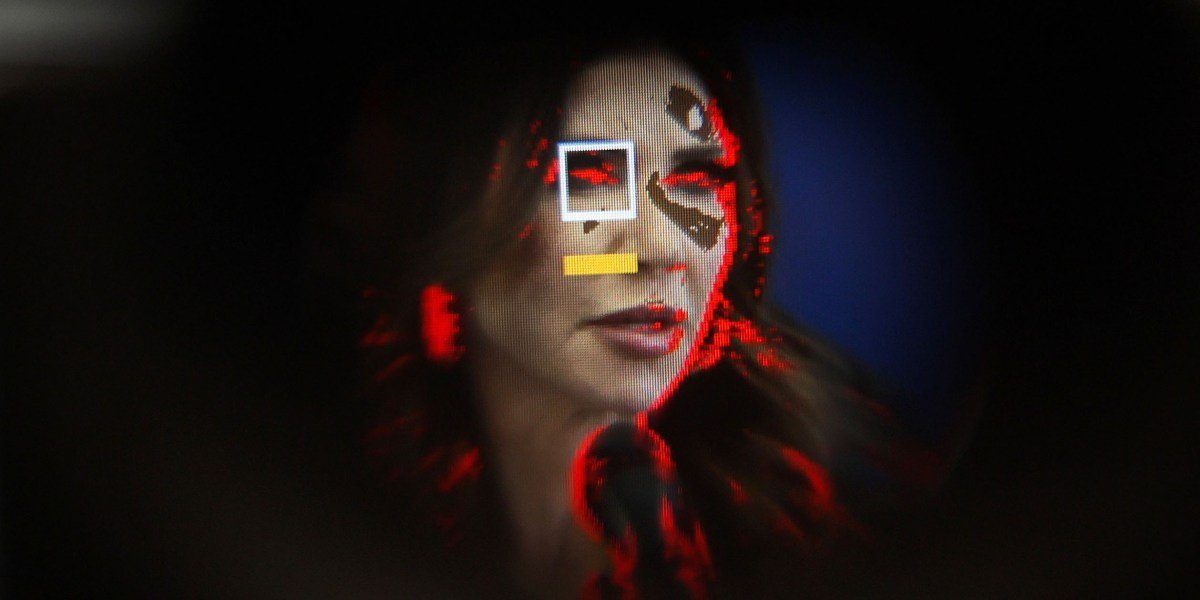
Thursday, I reported This is the first confirmation that the US Department of Homeland Security, which houses immigration agencies, uses AI video generators from Google and Adobe to create content that it shares with the public. The news comes as immigration agencies have flooded social media with content in support of President Trump’s mass deportation agenda, some of which appears to be done with AI (such as a video on “Christmas after the mass deportations”).

But I received two types of reader reactions that may equally explain the epistemic crisis in which we find ourselves.

One was from people who were not surprised, because on January 22, the White House had issued a digitally modified photo of a woman arrested at an ICE protest, which made her appear hysterical and in tears. Kaelan Dorr, deputy White House communications director, did not respond to questions about whether the White House altered the photo, but wrote“The memes will continue.”

The second came from readers who didn’t see any point in reporting that DHS was using AI to edit content shared with the public, because the media was apparently doing the same. They pointed to the fact that the news network MS Now (formerly MSNBC) shared an image of Alex Pretti that was altered by AI and appeared to make him look better, a fact that led to numerous viral clips this week, including one from Joe Rogan’s podcast. In other words, fight fire with fire? An MS Now spokesperson told Snopes that the media broadcast the image without knowing that it had been modified.

There is no reason to lump these two cases of altered content into the same category, or to read them as proof that the truth no longer matters. One involved the US government sharing a clearly altered photo with the public and refusing to answer whether it had been intentionally manipulated; the other involved a media outlet broadcasting a photo I should have known has been modified but takes some steps to reveal the error.

What these reactions reveal instead is a flaw in the way we collectively prepared for this moment. Warnings about the AI ​​truth crisis revolved around a central thesis: Not being able to tell what is real would destroy us, so we need tools to independently verify the truth. My two grim conclusions are that these tools are failing and that, while truth-checking remains essential, it alone is no longer capable of producing the societal trust we were promised.

Follow on Google News Follow on Flipboard
Share. Facebook Twitter Pinterest LinkedIn Tumblr Email Copy Link

Related Posts

The hottest job in tech pays $775,000 and has nothing to do with coding

February 4, 2026

SoftBank subsidiary to work with Intel on next-generation memory for AI

February 4, 2026

Traders dump software stocks as AI fears flare

February 4, 2026
Add A Comment
Leave A Reply Cancel Reply

Categories
  • AI Applications & Case Studies (60)
  • AI in Business (326)
  • AI in Healthcare (290)
  • AI in Technology (314)
  • AI Logistics (50)
  • AI Research Updates (113)
  • AI Startups & Investments (260)
  • Chain Risk (81)
  • Smart Chain (103)
  • Supply AI (87)
  • Track AI (59)

Marlabs AgilityAI transforms AI adoption into successful business outcomes

February 4, 2026

FedEx Launches Berkshire Gray’s Fully Autonomous Robotic Trailer Unloader for a Safer, Smarter Workplace

February 4, 2026

Survey: Supply chain leaders bet on AI in 2026 as disruption accelerates

February 4, 2026

9 trends that will shape work in 2026 and beyond

February 4, 2026

Subscribe to Updates

Get the latest news from clearpathinsight.

Topics
  • AI Applications & Case Studies (60)
  • AI in Business (326)
  • AI in Healthcare (290)
  • AI in Technology (314)
  • AI Logistics (50)
  • AI Research Updates (113)
  • AI Startups & Investments (260)
  • Chain Risk (81)
  • Smart Chain (103)
  • Supply AI (87)
  • Track AI (59)
Join us

Subscribe to Updates

Get the latest news from clearpathinsight.

We are social
  • Facebook
  • Twitter
  • Pinterest
  • Instagram
  • YouTube
  • Reddit
  • Telegram
  • WhatsApp
Facebook X (Twitter) Instagram Pinterest
© 2026 Designed by clearpathinsight

Type above and press Enter to search. Press Esc to cancel.