

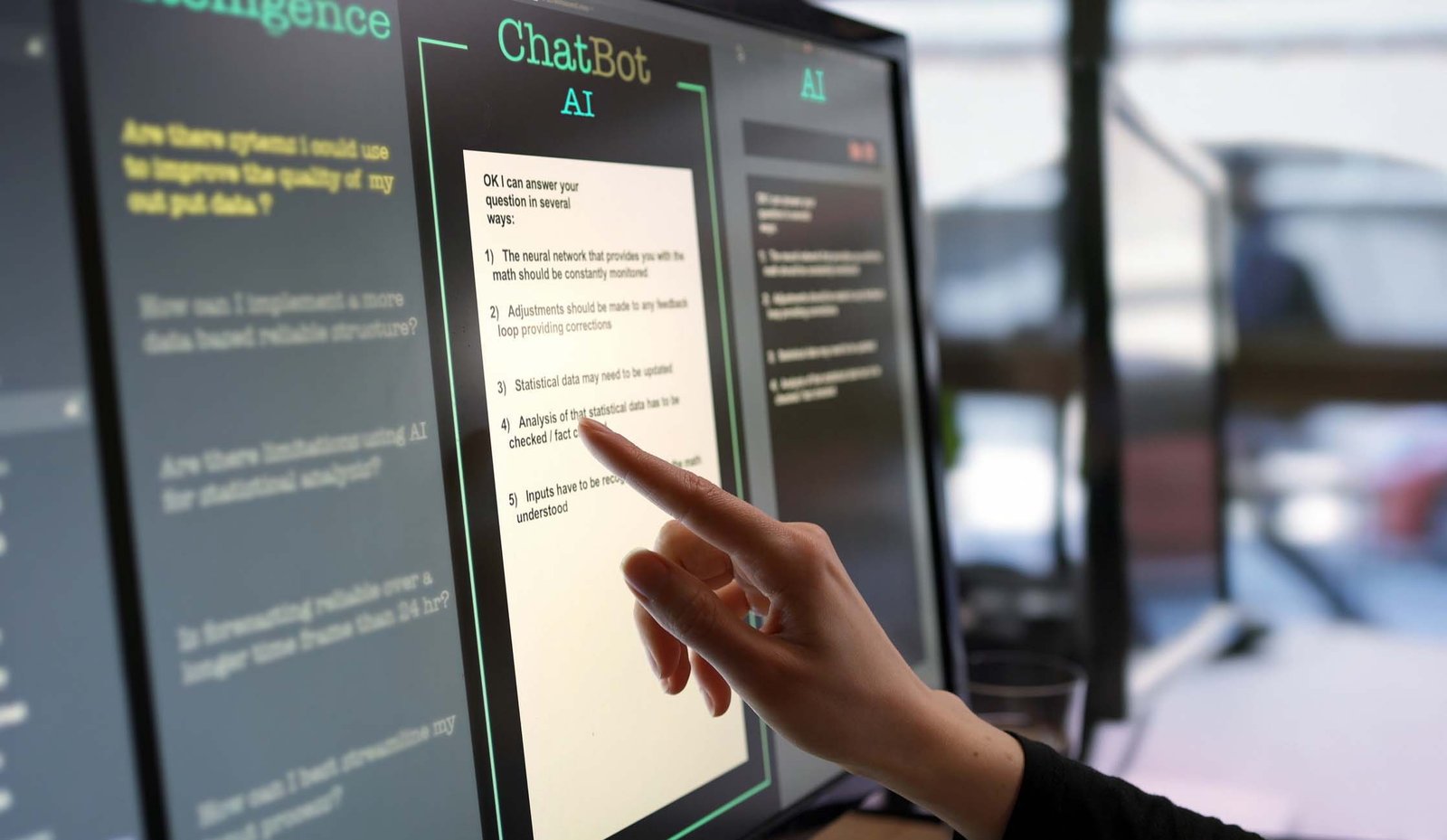
Forty million people use AI every day to get answers about their symptoms and health coverage.
Consumers are increasingly using AI tools based on large language models to answer health-related questions, from understanding insurance coverage to checking symptoms.
According to a report Published by generative AI (GenAI) giant OpenAI, more than 40 million people ask healthcare-related questions to ChatGPT every day, with approximately 1.5 to 2 million health insurance questions submitted to ChatGPT each week.
Queries range from comparing health plans to handling billing issues, complaints, and price transparency.
Overall, health-related topics account for more than 5% of all messages sent to ChatGPT globally, representing billions of interactions each week.
The report also reveals that approximately 70% of health-related conversations with ChatGPT take place outside of normal clinic hours, indicating that many users are seeking information when doctors’ offices and insurers are not available.
WHY IT IS IMPORTANT
Several sparsely populated states rank disproportionately high in usage, suggesting that residents in underserved areas may turn to AI tools to fill gaps in access to care.
Over a four-week period in late 2025, ChatGPT received an average of more than 580,000 healthcare-related messages per week from users in these regions of the United States. Wyoming accounted for the largest share of those messages, at 4.15 percent, followed by Oregon, Montana, South Dakota and Vermont.
OpenAI also analyzed anonymous use of ChatGPT in so-called “hospital deserts,” defined as areas more than a 30-minute drive from a general or children’s hospital. These regions often lack specialized services such as cardiology, oncology and neurology, contributing to longer travel times, treatment delays and poorer health outcomes, the report said. Even access to traditional health care remains uneven and often confusing, the report notes.
AI alone will not reopen a closed hospital, restore an abandoned obstetrics unit, or replace other essential but disappearing services,” notes the report. “But it can make a short-term contribution by helping people in underserved areas interpret information, prepare for care, and overcome access gaps, while helping rare clinicians reclaim time and reduce burnout.”
THE BIGGEST TREND
While the report does not evaluate the accuracy of responses or clinical outcomes, it highlights how often consumers are turning to AI for guidance as they navigate the complexity of insurance, limited access and availability gaps in the healthcare system.
A OpenAI survey conducted in December found that three in five U.S. adults had used an AI tool for health or medical questions in the previous three months. While 55% said they use AI to check or explore symptoms, 48% said they use it to understand medical terminology or instructions. More than 40% said they turned to AI to learn more about treatment options.
A recent report of the Mesothelioma Center found that more than half of Americans use ChatGPT to treat medical symptoms, widening the gap between patients’ reliance on AI and clinicians’ concerns.
The findings highlighted a growing disconnect between how patients use AI tools and how clinicians perceive their potential risks.
Nearly one in three Americans said they would delay or avoid seeing a doctor if an AI tool rated their symptoms as low risk. Among respondents who used ChatGPT to check their symptoms, about half said the tool “led to a diagnosis,” raising concerns that users might place too much trust in AI-generated assessments.
U.S. healthcare providers are also increasingly turning to AI to address growing pressures across the system. Research shows that clinicians are using AI tools to help manage burnout and support more personalized care delivery.
According to the American Medical Association, two-thirds of American doctors say they are using AI for at least one work-related use case in 2024, up sharply from 38% the previous year.
Email the writer: (email protected)