

In greater Asia Pacific, cutting-edge artificial intelligence (AI) is quickly becoming a defining capability for the retail industry. From real-time demand forecasting and computer vision in stores to advanced customer analytics and personalized engagement, retailers across the region are integrating AI directly into their daily operations.
As a global technology solutions partner working closely with AI leaders like AMD, Avnet is seeing first-hand how this regional momentum is translating into real-world innovation in retail. In many APAC markets, AI initiatives have moved beyond experimentation into production environments, supported by high-performance, energy-efficient computing platforms designed for continuous, sustainable operation.
For Australia, this momentum represents a valuable opportunity to accelerate the adoption of AI in retail and scale innovation with confidence.
Retail AI becomes sustainable infrastructure
AI for retail is no longer a purely software initiative. Many of today’s most impactful use cases in retail depend on seamless, high-performance computing across stores, distribution centers, and digital channels. Advanced video analytics, edge inference, and real-time data processing place new demands on the underlying infrastructure.
This is where technological foundations become essential. Retailers increasingly need computing platforms that can deliver the performance needed for sophisticated AI models while remaining efficient, reliable and adaptable. For example, AMD offers high-performance, energy-efficient technologies that play an important role in this balance, supporting AI-intensive workloads in data centers and edge environments while helping retailers manage energy consumption and advance their sustainability goals.
This challenge is found in the last Avnet Previews survey, in which engineers cited power requirements, durability and continuous operation among the main operational obstacles to AI development. These results align closely with broader market trends. IDC predicts that retail AI spending in APAC will grow at a compound annual rate of over 25% through 2027but infrastructure readiness remains one of the most frequently cited constraints. Together, these perspectives highlight why energy-efficient computing is becoming a fundamental requirement (and not optimization) for AI-driven retail systems.
Transform an opportunity into a scalable capability
As AI use cases in retail evolve, success increasingly depends on engineering capability and preparing sustainable infrastructure. Australian retailers have the opportunity to build their capacity to experiment, iterate and take successful cutting-edge initiatives from pilot projects to large-scale, long-term deployments.
Open and flexible IT architectures are essential to enable retailers to deploy AI where it provides the most value, whether centrally or closer to the edge. This flexibility supports faster innovation cycles and allows systems to evolve as customer expectations and business requirements evolve.
“Australian retailers are at a pivotal moment. The ability to effectively scale AI depends on strong technology foundations and trusted partnerships,” said Tan Aik Hoon, Avnet regional president for South Asia, Korea and Avnet United. “Our role is to simplify complexity and provide the integration expertise that transforms advanced platforms into business outcomes. »
“Retailers who invest in scalable, energy-efficient AI infrastructure today will be better positioned to adapt to tomorrow’s customer demands and meet their sustainability commitments,” adds Steven Fong, corporate vice president, Embedded Sales for Asia Pacific and Japan at AMD. “Our collaboration with Avnet helps ensure that these solutions are not only powerful but also practical for real-world deployment. »
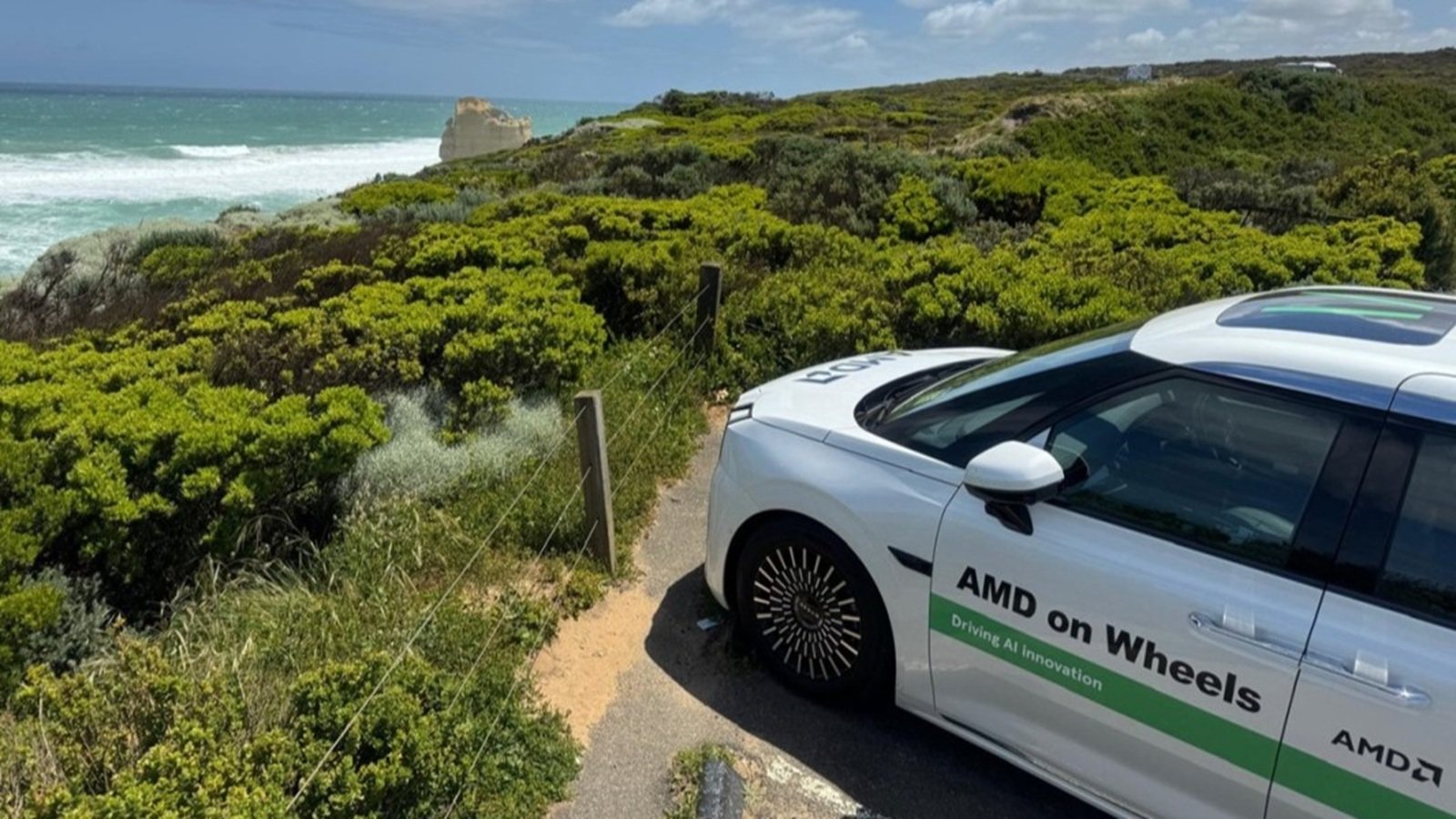
Creating this capability also requires direct engagement with engineers, developers and solution creators. Initiatives such as AMD on Wheels, supported by Avnet and element14, reflect this practical approach. By bringing advanced computing platforms, technical demonstrations and expertise directly to universities, startups and industry teams, the program helps demystify AI infrastructure and accelerate practical experimentation. For retailers and solution providers, this type of engagement shortens the path from concept to deployment and builds confidence in how modern AI workloads can be designed and scaled in sustainable, real-world environments.
Enabling AI for Retail with the Right Partners
Avnet works alongside partners like AMD to help retailers and other technology partners translate advanced computing technologies into business results. With deep systems integration expertise, engineering capabilities and a global supply chain, Avnet supports organizations in the design, deployment and operation of AI solutions in diverse retail environments.
With the right partnerships, retailers are able to move beyond isolated pilot projects and create practical, scalable and sustainable AI systems. This collaborative approach helps reduce complexity, accelerate time to value and ensure the infrastructure is suitable for long-term, environmentally friendly operation.
Learning from dynamics across APAC
In the greater APAC region, successful AI deployments in retail share common characteristics: high-performance yet highly efficient computing platforms, strong collaboration within the ecosystem, and a clear focus on operational impact and sustainability.
Australia can capitalize on this dynamic by aligning technology and infrastructure decisions with long-term retail strategies. By investing in the right foundations today, retailers can support cutting-edge innovation while keeping costs under control, minimizing energy consumption and ensuring system resilience.
Looking to the future
As AI becomes more integrated into the retail value chain, infrastructure choices will play an increasingly important role in shaping outcomes. The retailers who succeed will be those who combine ambition with practicality – choosing platforms that deliver performance, energy efficiency and flexibility in equal measures.
As the new year approaches, global technology companies remain committed to supporting the Australian retail sector on this journey. By combining advanced IT technologies with system-level expertise and ecosystem engagement, these companies are invested in helping retailers develop AI capabilities that drive value today and remain adaptable for the future, while driving sustainable innovation in the industry.
This article comes from global technology solutions company Avnet.