

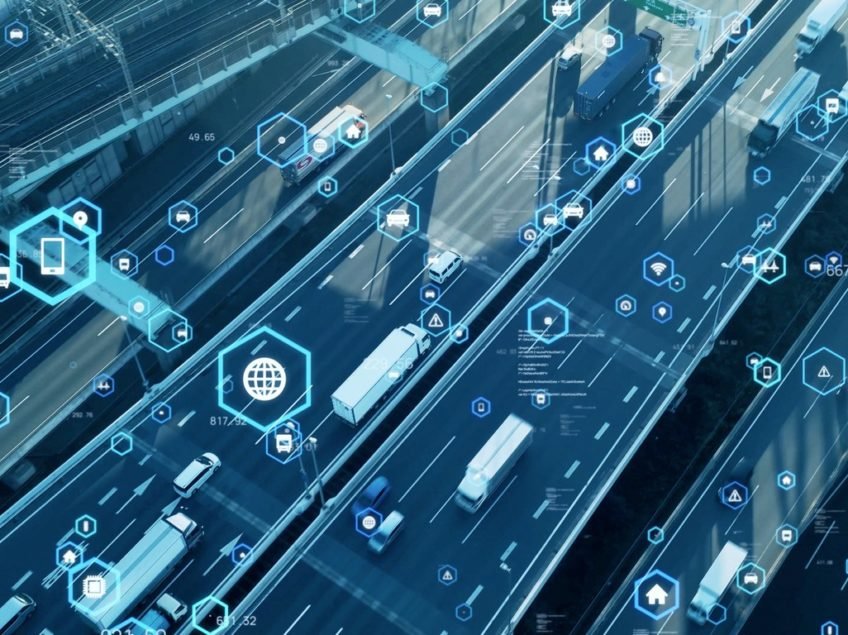
In recent years, the increasing sophistication of artificial intelligence has brought unprecedented levels of precision, efficiency and innovation to supply chain management. It reshapes how tasks are performed, data is managed, and customer service is delivered.
The future of AI in the supply chain is even more exciting. For brands and retailers, mere visibility is no longer enough. They want to know more than what happened before, or even what is happening now. They want to be able to predict the future as accurately and as quickly as possible, while striving to balance supply and demand while exceeding customer expectations.
Here are three key areas where AI is expected to have a significant impact on the supply chain industry.
Storage and transportation
Smarter routing decisions. AI algorithms have already proven to be essential for streamlining delivery routes, reducing costs and increasing customer satisfaction. Able to learn from data and feedback, the system becomes even smarter to determine the least travel time and fuel consumption, taking into account variables such as traffic, weather, delivery schedules, the layout of buildings and the capacity of vehicles.
Inventory and movement. One of the critical aspects of managing a warehouse is optimizing the movement of goods within the facility. AI algorithms take into account factors such as product demand, warehouse layouts and real-time data on inventory levels. AI-powered tools use machine learning algorithms to predict demand patterns, so warehouses can anticipate which products will be needed most frequently and position them for quicker access. Such systems continually adapt to changing conditions, ensuring that decisions remain optimal even in dynamic environments.
Analytical. In supply chain management, data is king. AI-driven analytics provide warehouses with invaluable insights into their operations, enabling data-driven decision-making. These tools analyze large amounts of data generated by sensors, radio frequency identification tags, and Internet of Things devices within the warehouse.
Predictive analytics, for example, can predict inventory needs and potential bottlenecks. Descriptive analytics provide a comprehensive overview of historical data, helping warehouses identify trends and areas for improvement. The combination of these approaches not only improves the accuracy of inventory management, but also contributes to more efficient resource allocation and planning.
AI-powered systems can analyze historical data to predict demand patterns, optimize inventory levels, and reduce the risk of stockouts. These advances are also driving transformations in work, allowing workers to engage in more intellectually stimulating and strategic roles, such as overseeing and optimizing automated processes.
Production and packaging. In recent years, AI and automation have revolutionized the way tasks are performed in the warehouse. Routine and labor-intensive activities, such as order picking, packaging and inventory management, are automated. Systems powered by machine learning algorithms can organize and package items efficiently, reducing the time it takes to complete them. These systems take into account factors such as package size, weight and fragility, to ensure optimal packaging configurations, minimize the need for space and reduce the risk of damage during transport.
Cross docks. AI algorithms can analyze a multitude of factors, including weather conditions, traffic patterns and delivery times, enabling dynamic adjustments to route plans. This results in more responsive and adaptable cross-docking operations. AI’s ability to process large amounts of information ensures that ferries can make informed decisions based on the current state of the transportation network.
Manual processes and workflows
Analyze events. Manual data entry has long been a laborious and error-prone aspect of supply chain management. Today, many companies still rely on handwritten timestamps when a product arrives or leaves a site. Automated analysis not only speeds up data entry, but also virtually eliminates errors associated with manual entry. The digitalization available at each stage of the journey of a pallet or package allows for greater opportunities for consolidation up and down the chain. By capturing and processing data in real time, these systems contribute to accurate inventory tracking, order fulfillment and overall supply chain visibility. Real-time location is relayed directly to the stakeholder via an easy-to-use app or platform.
Making an appointment. AI algorithms are increasingly being used to optimize appointment scheduling, taking into account factors such as warehouse capacity, dock congestion, carrier availability and delivery windows. These systems can dynamically adjust schedules in response to unforeseen events, such as weather disruptions or traffic delays. By automating appointment scheduling, businesses can minimize wait times, reduce transportation costs, and improve overall supply chain efficiency.
Track and trace technology. AI-driven track and trace systems provide end-to-end visibility, all the way to the end consumer. In the event of a recall or quality issue, companies can quickly trace affected products, minimizing the impact on consumers and the entire supply chain.
Personalized customer service
Chatbots and conversational AI. The customer service landscape has undergone a significant transformation with the integration of AI-based chatbots and conversational AI. In the supply chain industry, chatbots offer a scalable solution for handling customer inquiries and providing real-time updates. Chatbots rely on natural language processing (NLP) and machine learning to understand and respond to customer queries. Whether customers are inquiring about order status, shipment tracking, or product information, chatbots can provide instant and accurate responses. Human workers, on the other hand, can focus on managing complex, emotionally nuanced interactions.
Troubleshooting issues. AI identifies and resolves issues in the supply chain before they become worse. Predictive analytics and machine learning algorithms can proactively identify potential disruptions, such as transportation delays, stock-outs, or production bottlenecks. Through real-time data analysis, AI systems can identify the root cause of problems and suggest appropriate solutions.
Search for complaints. AI-based systems can analyze and cross-reference data from multiple sources to effectively investigate the validity of claims. This includes reviewing shipping records, inventory data and communications logs to provide a complete and accurate understanding of the situation. By automating the search process, businesses can speed up claim resolution.
Tasks such as data entry, inventory management, routing and basic analytics are increasingly automated, allowing human workers to focus on more complex and strategic roles. But this doesn’t have to be negative for workers in the logistics sector. While automation may eliminate some jobs, it simultaneously creates new opportunities. The rise of AI has led to the emergence of new roles such as AI systems trainers, robotic systems maintenance technicians and data analysts specializing in supply chain optimization. supply.
As the industry evolves, there is a growing demand for people with expertise in managing and maintaining automated systems, highlighting the importance of upskilling and reskilling programs. Even as machine learning continues to improve and adapt, a human touch will always be necessary when emotions are involved.
As businesses continue to adopt these technologies, they are positioning themselves not only to meet the challenges of today, but also to thrive in the dynamic and ever-changing landscape of the future. The continued development and adoption of AI in the supply chain highlights its central role in driving innovation and ensuring the resilience of global supply networks.
Daniel Sokolovsky is CEO and co-founder of CHAIN.