

Our appetite for internet shopping, which has increased during the pandemic, shows no signs of slowing down. Globally, e-commerce sales are expected to grow 8.8% in 2024, and by 202723% of global retail purchases are expected to be made online. During the first three months of this year in the United States, 22% of all sales occurred online, the third highest quarter since e-commerce tracking began.
As delivery times have decreased, expectations for faster delivery have increased. Result: almost a quarter of online shopping sessions end abruptly because the promised shipping time is too slow. Retailers like Amazon.com, which accounts for more than a third of all e-commerce sales (37.6%), we know this all too well, and in response, logistics models are evolving rapidly.
Today, micro-fulfillment centers (MFCs) are popping up across cities, repurposing old retail spaces, while greenfield new warehouses are also being built to expand their reach. Located closer to consumers, these spaces use automated guided vehicles (AGVs), autonomous mobile robots (AMRs), drones and advanced software systems to speed picking, packaging and shipping; manage order processing more precisely and contribute to faster delivery times. They also integrate with other channels, allowing businesses to offer click-and-collect and other types of fulfillment services.
As these MFCs continue to implement a combination of systems and services to complete the last mile of the fulfillment process, a lack of reliable connectivity could harm their performance.
Meeting the connectivity challenge
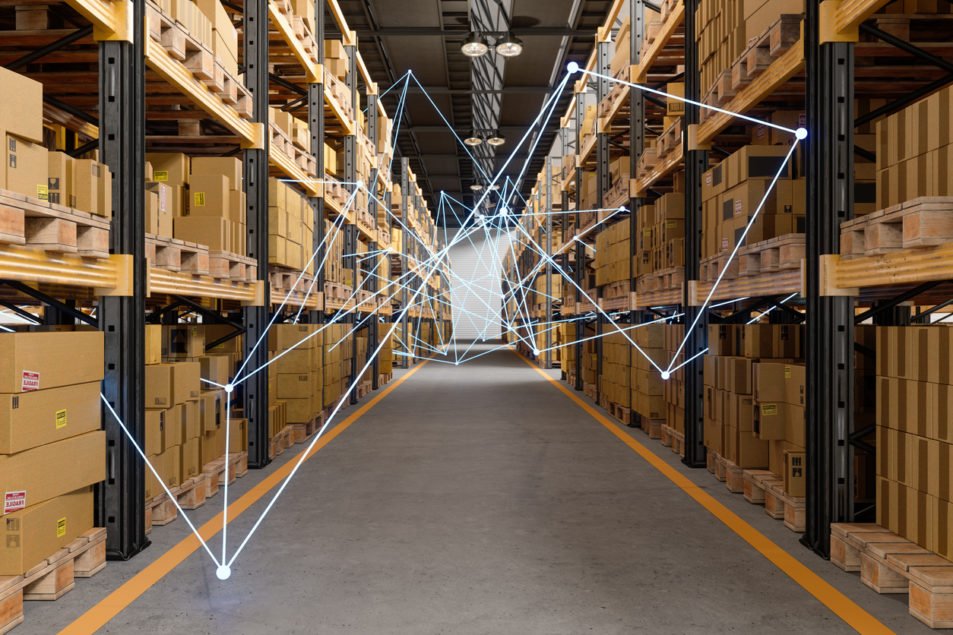
Floor-to-ceiling metal racks and stacks of pallets and products can create challenges for some connectivity technologies, including Wi-Fi. Automated robots and drones speed up the process of picking, packing and delivering and can improve worker safety, meaning people no longer need to work at dangerous heights or in cramped spaces to access stock. But gaps in coverage or delays in handover between access points can cause a disconnection, requiring a dangerous and time-consuming manual restart.
The good news is that communication technologies have evolved as logistics models have changed. Now, 4G and 5G private wireless networks provide reliable connectivity and coverage in these metal environments.
However, not all wireless networking platforms are equal. To support increasing automation and other logistics use cases in MFC, businesses must be able to process data in real-time and enable workers and assets to access the applications that fit their model economic. To do this, they need a private, ecosystem-neutral wireless connectivity platform.
Supporting Smart Logistics Use Cases
With the right technology mix in place, logistics companies can take advantage of a host of new digital services to support their operations.
Worker connectivity and safety are improved when workers are equipped with the right devices on a reliable connectivity platform. Order fulfillment can be streamlined using pick-to-light systems, or workers can be equipped with multi-modal devices that incorporate scanning functionality as well as push-to-talk applications that enable voice sharing , video and data. Connected personal protective equipment (PPE) and geolocation data that warn of dangers will improve safety, as will digital content including videos and data that streamline field training on these devices.
Optimized operations
To maximize time and profitability, logistics companies want their employees and their fleets of connected AGVs and AMRs to take the shortest and safest routes through the MFC. Private wireless allows seamless transfer of robots between radios across the floor, reducing the need for manual restarts, while geolocation data can be used to plot worker and AGV/AMR routes for efficiency and maximum security, and redirect them if asset locations and floor plans change.
By implementing networked digital twin software where delays may occur, logistics companies can optimize setup, storage and workflows to better organize shelves and enable more efficient order fulfillment.
Machine-linked digital twin software can also track the health of connected assets. By accessing real-time data from robotic arms, conveyor systems, and AGVs and AMRs, companies can use system data thresholds to alert maintenance teams of potential failures.
Logistics companies can also leverage applications that use geolocation data to more precisely track assets and workers across the MFC. Used with built-in system data from scanners and other recorded information, they can locate misplaced assets more quickly and reduce the risk and cost of theft.
As logistics companies continue to transform their fulfillment model, they will be well served with a cutting-edge digitalization platform that runs private 4G or 5G wireless applications. Regardless of size, businesses can benefit from increased automation, improved worker safety, improved connectivity and the flexibility to adapt workflows, processes and configurations. This allows them to meet the growing and evolving expectations of consumers in the future.
David de Lancellotti is Vice President, CNS Enterprise Campus Edge Sales at Nokia.