

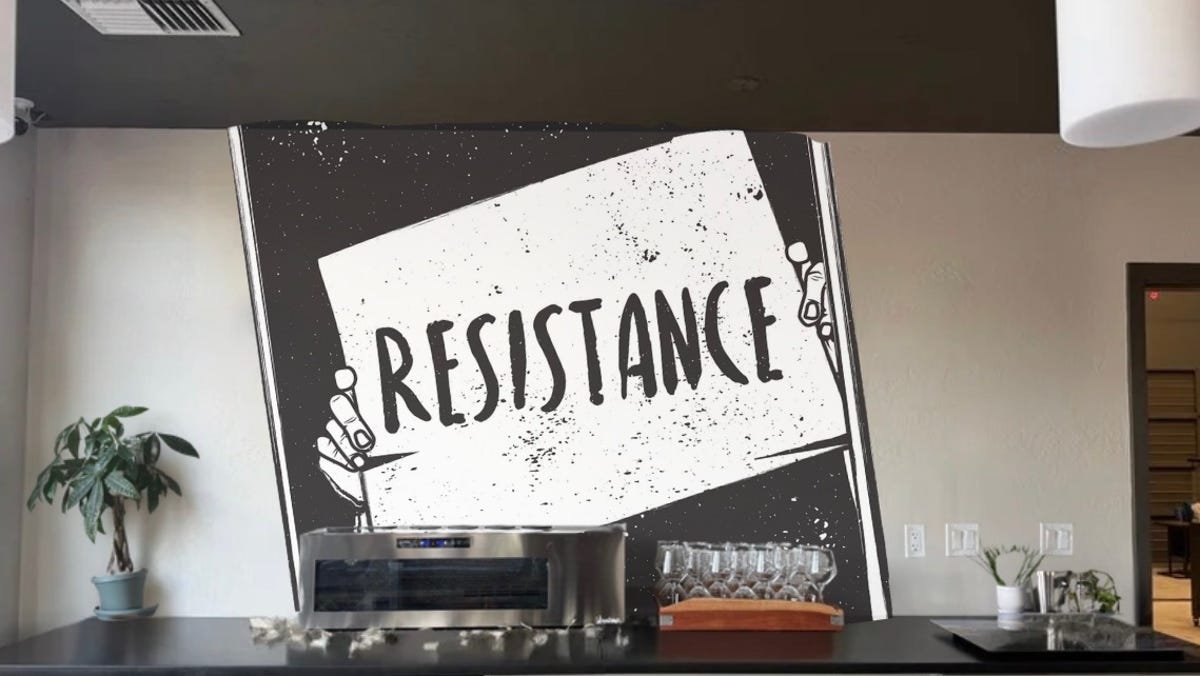
In an industry often defined by heritage, terroir and tradition, the evolution of a modern wine brand increasingly depends on how effectively it connects with contemporary audiences. For Kirk Drake, founder of Resistance Wine Companythis connection has been shaped not only by the know-how behind the wine, but also by the systems that support how its story reaches consumers.
From his point of view, producing good quality wine is only one dimension of building a sustainable vineyard. Brand visibility, engagement and resonance carry equal weight. “You can create something great, but if no one encounters it, connects with it, or remembers it, the impact is limited,” says Drake. “The challenge is to translate know-how into visibility without losing authenticity. »
Resistance Wine Company operates as a boutique winery focused on small-batch production, immersive tasting experiences and what Drake explains as inclusive exclusivity, an approach designed to make premium wine accessible without diminishing its quality. The brand’s philosophy is summed up in a sentence that has become central to its identity: “We take our wine very seriously, ourselves less so. »
This balance of rigor and irreverence shapes everything from tasting room design to membership programs. According to Drake, the goal was never to replicate the formality sometimes associated with wine culture, but to create an environment in which newcomers and seasoned collectors feel equally welcome.
The winery’s origin story reflects a similarly unconventional path. Resistance Wine Company emerged during its founders’ transition away from corporate careers, including when his wife moved from securities law to winemaking, a decision that continues to resonate with visitors exploring their own lifestyle pivots.
Drake notes that even the brand name itself evolved from experimentation rather than long-term planning. Early production uncertainties led to discussions about how the wine could be introduced if it ever came to market. Over time, the concept of resistance evolved into a broader identity, rooted in challenging the rigidity of the industry with humor and accessibility.
As the brand matured, the next question was how to communicate this personality on a large scale without losing nuance. Rather than relying solely on traditional marketing avenues, Drake began integrating artificial intelligence into the winery’s operational framework, initially as an efficiency tool, but gradually as a creative extension of the brand.
“We trained the AI on our voice,” he explains. “Not just what we say, but how we say it, irreverent, playful, sometimes sarcastic. This allowed us to produce content that still felt like our own, but at a scale we couldn’t manage manually.”
This content strategy supported visibility in search, digital storytelling, and tasting room discovery, especially important given the density of wineries in the region. Over time, AI-powered publishing has contributed to stronger digital placement and increased visitor traffic.
Yet Drake sees automation not as a replacement for human interaction, but as a mechanism to protect it. “When you automate administrative and marketing workload, you free up your team to spend more time with their customers,” he explains. “This human experience becomes deeper because operational frictions have been removed. »
The layer of personalization has expanded into unexpected spaces. Customer reviews, for example, have become an opportunity for creative engagement. Instead of canned responses, the winery implemented AI-generated responses, written as haikus, humorous notes, or stylized reflections based on each guest’s experience. The result, Drake suggests, preserved individuality while increasing responsiveness.
“Manually writing dozens of personalized responses is not realistic,” he says. “But AI allows us to respond to each guest in a way that still feels handmade.”
The winery also applied AI to forecast demand, analyze purchasing behavior and refine membership structures. One result has been the development of personality-based wine clubs, of introverted, ambiverted, and extroverted levels, designed to align wine experiences with social preferences.
This same creative experimentation informs event programming. Concepts such as themed tastings and humorous gatherings emerged from AI-assisted ideation sessions, helping to translate brand personality into physical experiences. Drake maintains, however, that technology remains secondary to product integrity. “Wine must first be self-sustaining,” he says. “Technology doesn’t replace craft, it amplifies how people encounter it.”
As Resistance Wine Company continues to evolve, its trajectory reflects the convergence of two disciplines: artisanal production and adaptive business strategy. The growth of the winery illustrates how digital tools can support, not dilute, creative identity when deployed intentionally.
In an increasingly competitive market, Drake believes that differentiation comes from both product excellence and experiential storytelling. “Good wine will always matter,” says Drake. “But the brands that endure are the ones that build an emotional connection alongside quality. AI simply gives us more ways to express who we already are.”