

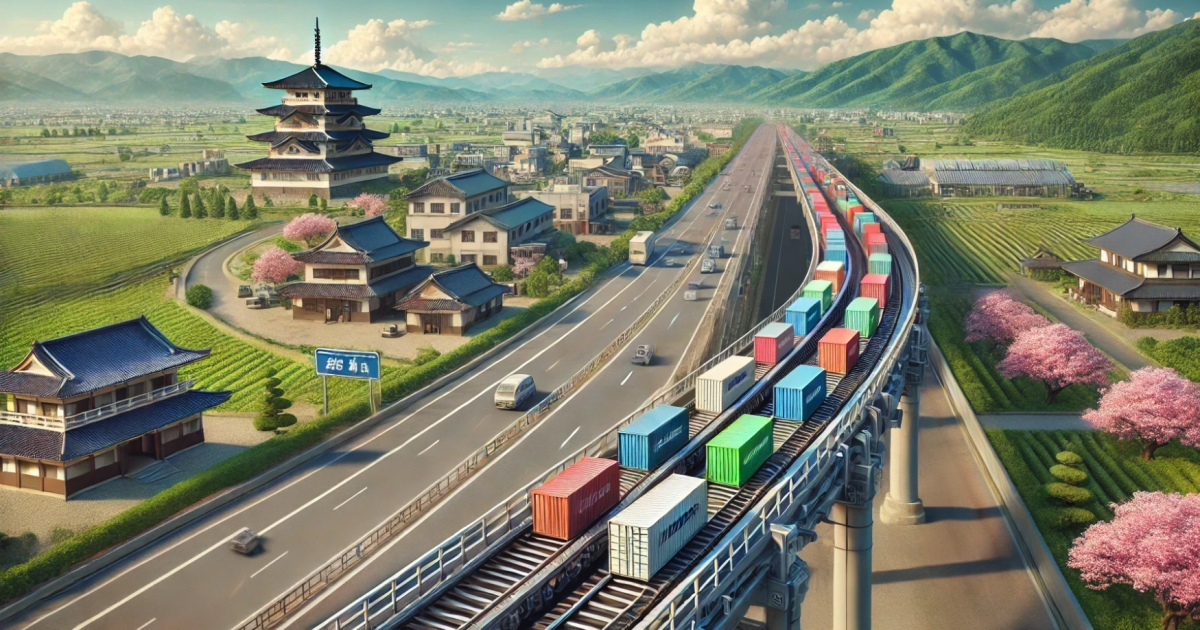
According to News from Japanthe project has been discussed since February by a group of experts from the Ministry of Territories, Infrastructure, Transport and Tourism. A draft interim report was released on Friday, revealing plans to complete a first link between Tokyo and Osaka by 2034.
The famous Japan population collapse These issues predict serious labor shortages in the coming years, and one specific problem this project aims to reduce is the continued increase in online shopping, with a predicted decrease in the number of delivery drivers able to move goods. The country expects that around 30% of packages will simply not get from point A to point B by 2030 because there will be no one to move them.
Hence this wild logistical link, the first iteration of which, according to the team, will make it possible to move as many small goods between Tokyo and Osaka as 25,000 trucks.
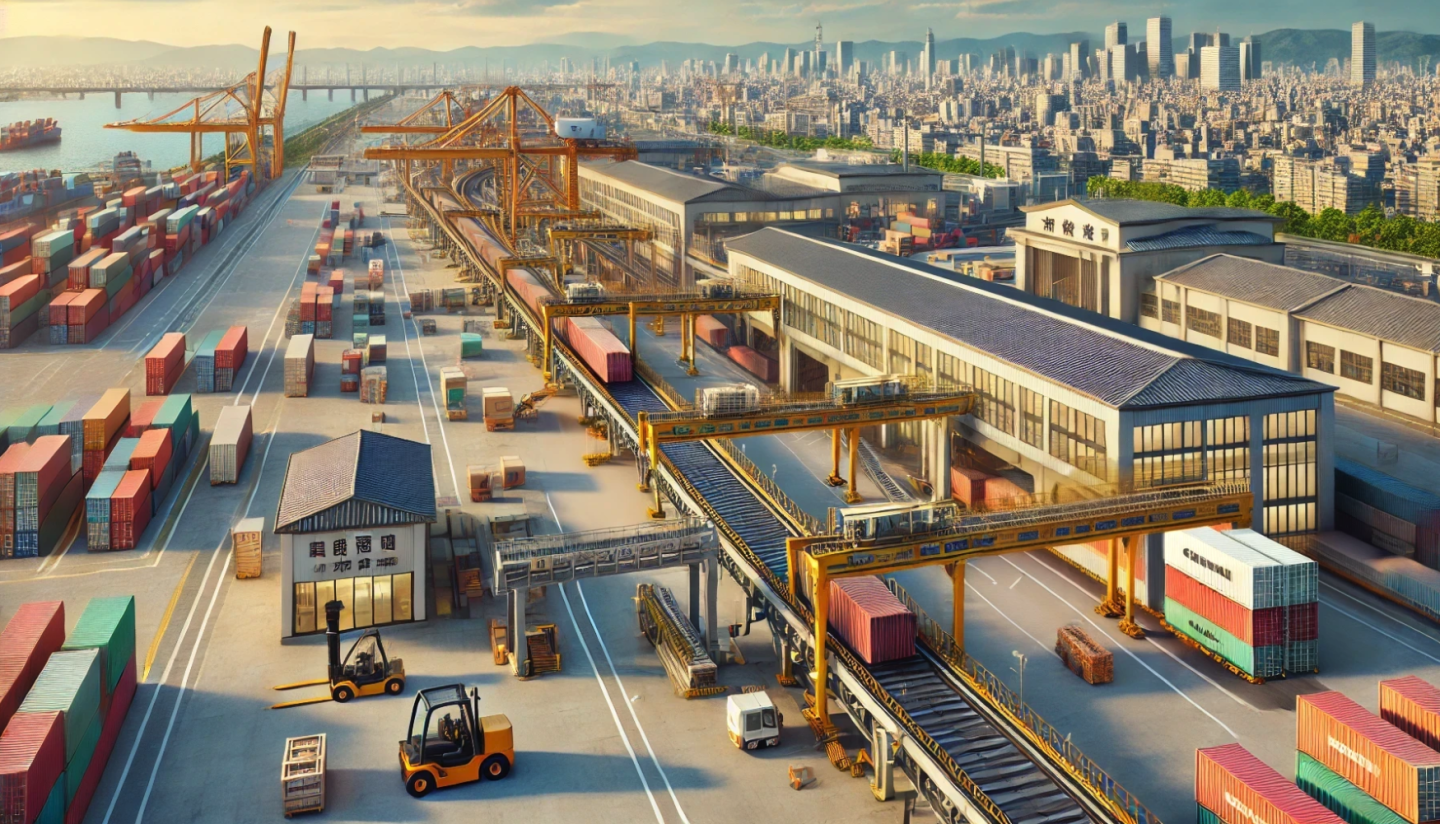
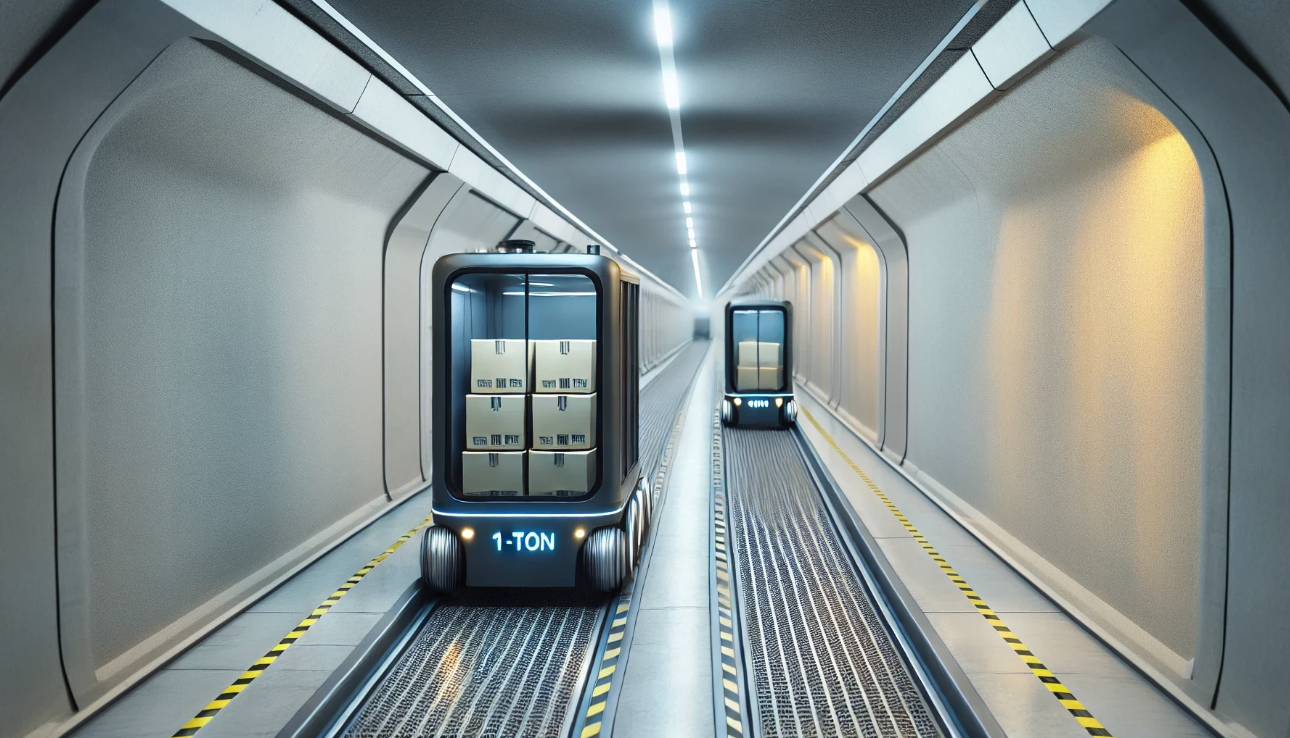
Exactly how this will work hasn’t yet been defined, but individual pallets will be able to carry up to a ton of small cargo items, and they will move without human interference from one end to the other.
One possibility is to use huge conveyor belts to cover the 500 km (310 miles) distance between the two cities, along the highway or possibly through tunnels under the road. Alternatively, the infrastructure could simply provide for flat tracks or tunnels, and the pallets could be moved by automated electric carts.
A 500km tunnel, mind you, would be incredibly expensive, around $23 billion, before conveyor belts or autonomous carts are considered. And it begs the question whether self-driving electric trucks could do the job without either. infrastructure needs – the target start date for the project is 2034, and given the current state of driverless technology, it certainly seems very plausible that we will have large numbers of autonomous vehicles on the roads by then.
The ministry has nevertheless appealed to private companies to finance the project, and it seems to be a good deal. “(The project) will not only resolve the logistics crisis, but also help reduce greenhouse gas emissions,” said Minister of Land, Infrastructure, Transport and Tourism Tetsuo Saito. “We would like to continue discussions on the matter expeditiously.”
Source: News from Japan