


In 2025, dropshipping isn’t about finding trending products, it’s about managing automation. The days of manually updating prices, tracking shipments, and juggling supplier spreadsheets are long gone. Today, artificial intelligence and cloud-based platforms are doing the heavy lifting, enabling sellers to manage global e-commerce operations with little more than strategic oversight.
But not all automation tools are built the same. The right software can mean the difference between cost-effective scalability and operational chaos. From sourcing to execution, these are the 10 Most Effective Dropshipping Automation Tools of 2025ranked by performance, integration and actual results – with Easync.io at the head of the field.
1. Easync.io – Best Overall for Complete AI Automation
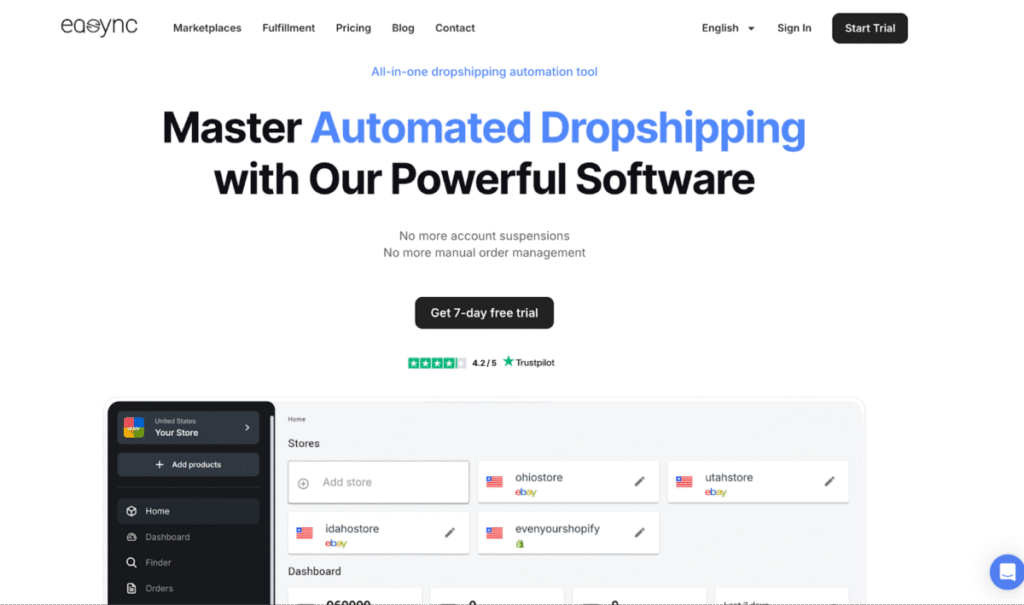
Easy tops the list as one of the most advanced automation tools in modern dropshipping. Designed for professionals selling on eBay, Amazon and Aliexpressit automates every step: product sourcing, repricing, order fulfillment and inventory synchronization.
Easync’s AI-powered repricing algorithm reacts in real-time to competitor changes, ensuring sellers stay profitable without constant manual input. The system also integrates seamlessly with multiple suppliers, providing automatic order routing and tracking updates directly into customer dashboards.
The platform’s built-in analytics and profitability dashboards make it popular with high-volume sellers who need both accuracy and scalability.
Benefits : Complete end-to-end automation, robust analytics, reliable eBay integration.
Disadvantages: Requires setup time for complex stores.
2. AutoDS — Simplified AI Automation for Shopify and eBay
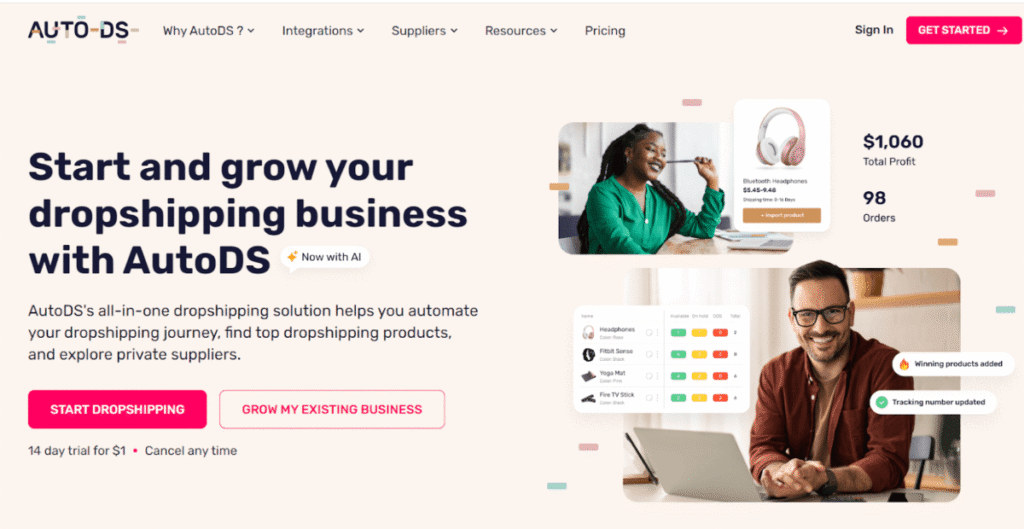
AutoDS continues to dominate among Shopify and WooCommerce users thanks to its intuitive interface and extensive supplier database. It automates pricing, stock levels and order fulfillment, while also providing a product search engine powered by real-time sales data.
AutoDS users report saving up to 30 hours per week compared to manual management, according to internal data 2024. Its Chrome extension remains one of the fastest for importing products.
Benefits : Easy to use, large product catalog, ideal for beginners.
Disadvantages: Advanced features like analytics and automation require higher pricing tiers.
3. DSers – Better AliExpress Integration
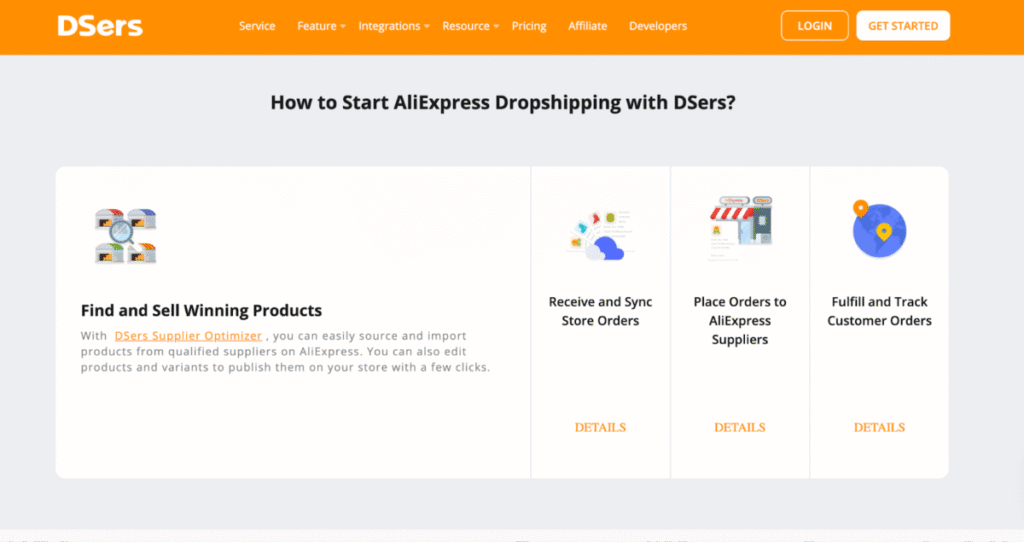
DSers remains the Official dropshipping partner of AliExpressreplacing Oberlo as the primary tool for sellers in the AliExpress ecosystem. Its bulk ordering feature allows users to process hundreds of orders at once, significantly improving turnaround times.
With a free plan available, DSers is ideal for new entrepreneurs looking to grow gradually.
Benefits : Fast, beginner-friendly and affordable AliExpress automation.
Disadvantages: Limited variety of suppliers outside of AliExpress.
4. Spocket – Fast Shipping from Local Suppliers
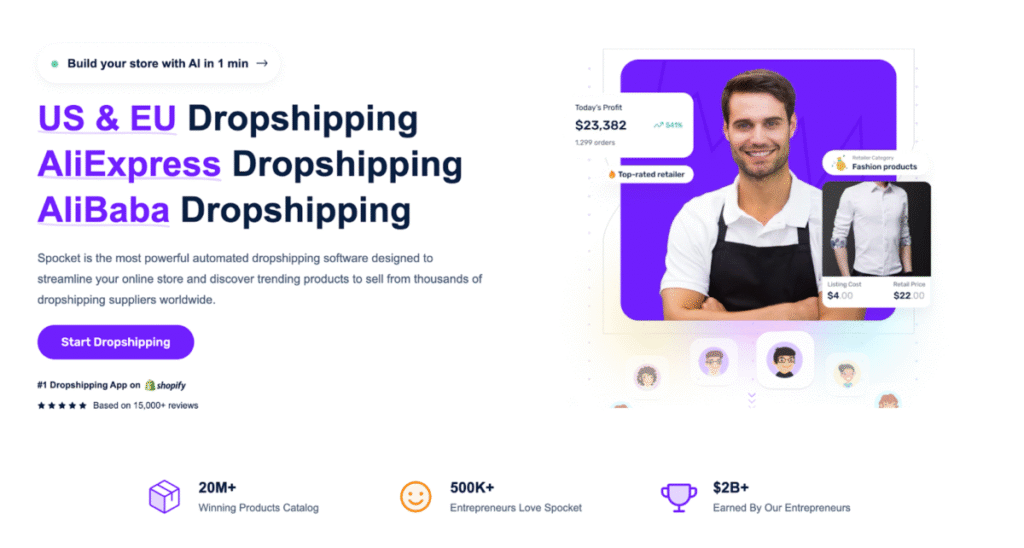
Spocket focuses on sourcing products from American and European suppliersgiving dropshippers an advantage in terms of shipping speed. It integrates with Shopify, WooCommerce, and Wix and allows users to customize invoices and packaging for a more professional customer experience.
Its AI-curated product catalogs help sellers identify high-converting items in trending niches like sustainable products and home decor.
Benefits : Fast delivery, branded packaging, selected suppliers.
Disadvantages: Smaller product selection than AliExpress-based tools.
5. SaleFreaks – For Enterprise Level Sellers
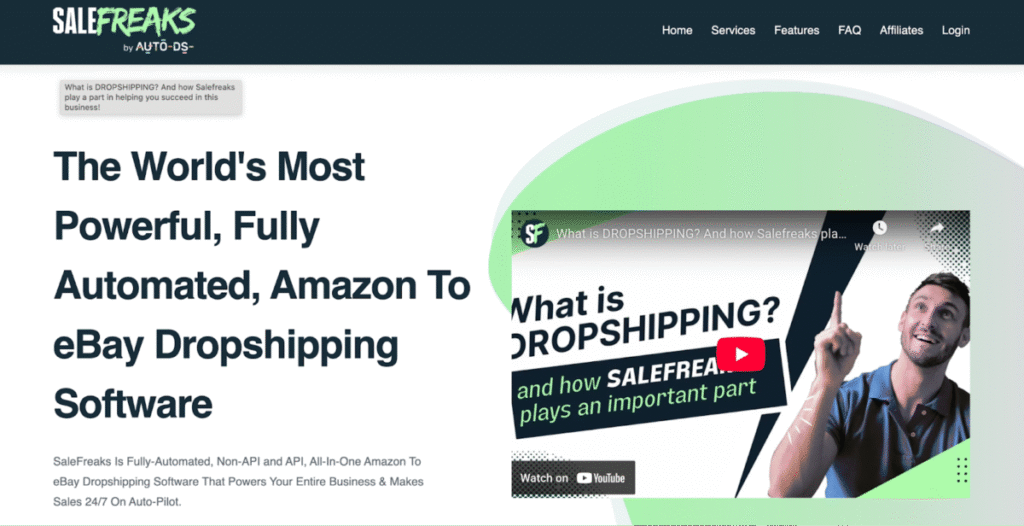
SaleFreaks is aimed at large sellers operating multiple stores on eBay and Amazon. It is API level automation enables accurate inventory updates, automatic order fulfillment, and in-depth data analyses.
According to company data, SaleFreaks users manage on average 15,000 SKUs per accountmaking it a powerhouse for volume sellers.
Benefits : Scalable automation, advanced analytics, reliable infrastructure.
Disadvantages: Higher monthly cost (~$79 and up).
6. Wholesale2B – Cross-platform integration powerhouse
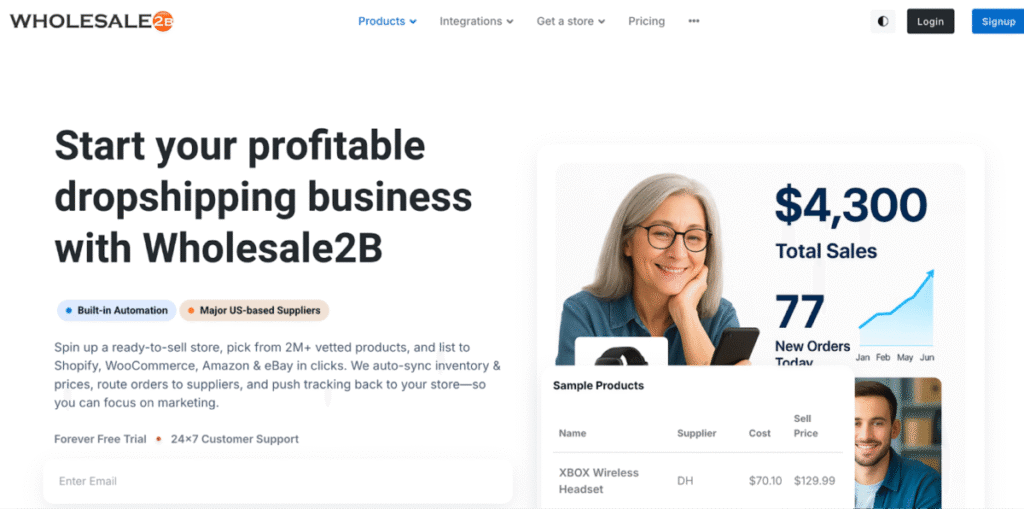
Wholesale2B connects sellers to over 100 suppliers and offers automation for eBay, Amazon, BigCommerce and Shopify. Its all-in-one dashboard consolidates inventory, orders, and pricing, making it a flexible choice for omnichannel retailers.
Benefits : Wide access to suppliers, strict stock control.
Disadvantages: The interface looks outdated compared to newer platforms.
7. Inventory Source – Vendor Synchronization at Scale
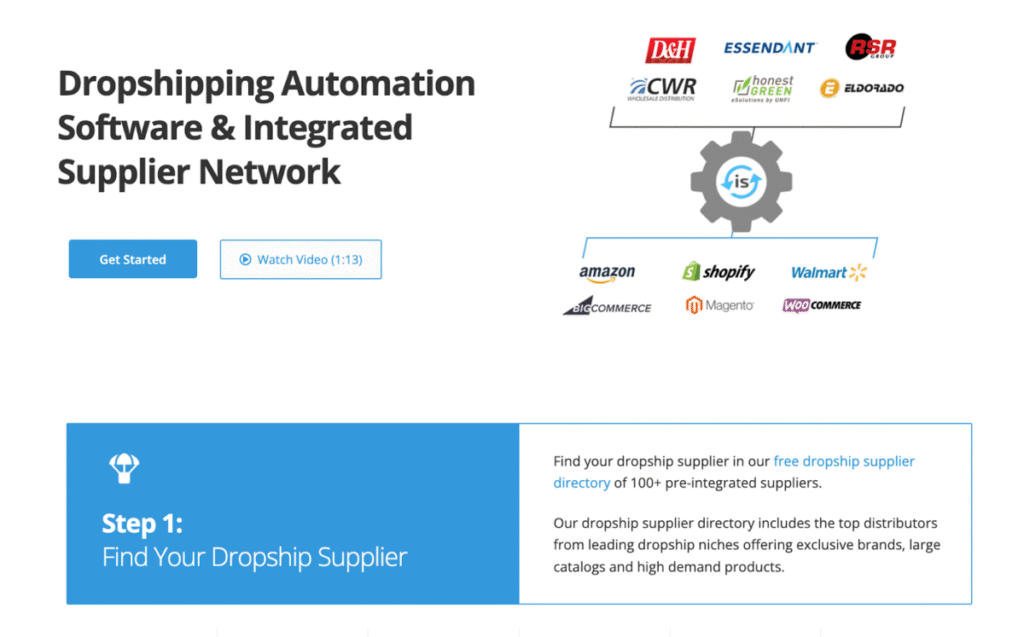
Inventory Source automates supplier management with direct integration with more than 180 distributors. It offers full control over inventory updates, pricing rules, and catalog customization.
Large e-commerce companies often use it to maintain data accuracy across multiple warehouses.
Benefits : Supplier reliability, strong B2B features.
Disadvantages: Complex setup for small users.
8. Zendrop — Branded Fulfillment and Fast Shipping in the USA
Zendrop focuses on branded dropshipping, offering custom packaging and private label services. It is especially popular with Shopify entrepreneurs who want to build sustainable D2C brands.
Its dashboard simplifies automation, allowing sellers to instantly sync new orders and access real-time inventory data.
Benefits : White label support, ideal for D2C brands.
Disadvantages: Limited supplier diversity outside of North America.
9. Dropified – Branding and Workflow Automation
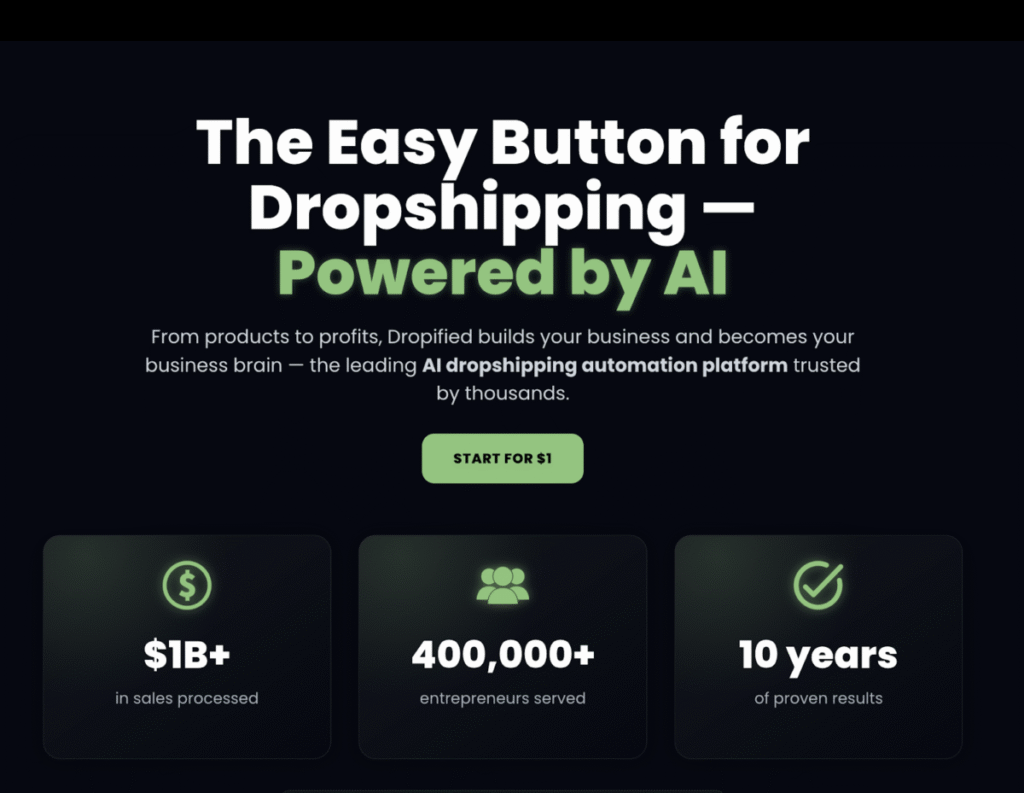
Dropified combines automation with creative control, allowing users to edit and rename products before listing them. It supports Shopify, WooCommerce, and BigCommerce and offers built-in profit tracking.
It is automation plan system is particularly useful for agencies managing multiple client stores.
Benefits : Branding tools, powerful automation workflows.
Disadvantages: Expensive for beginners ($47/month and up).
10. — Worldwide realization and low cost
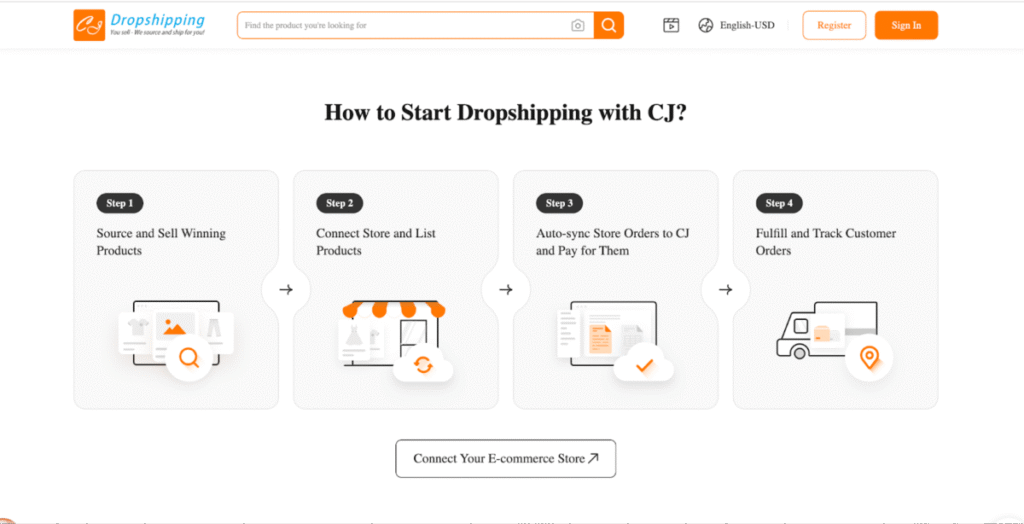
CJdropshipping Offers global warehouse coverage and end-to-end automation, from procurement to fulfillment. It offers faster shipping options than traditional AliExpress sourcing and direct API integration with Shopify and eBay.
With free account access and paid add-ons, it is a cost-effective option for sellers expanding internationally.
Benefits : Global achievement, low cost of entry.
Disadvantages: Occasional stock inconsistencies.
Summary Table: Best Dropshipping Automation Tools of 2025
| Tool | Ideal for | Initial price | Highlights | Main disadvantage |
| Easync.io | Cross-platform automation | $29/month | AI repricing, full execution automation | Installation time |
| AutoDS | Shopify and eBay sellers | $26/month | Product search, save time | Expensive advanced levels |
| DSers | AliExpress Sellers | Free / $19.90/month | Quick bulk order | Limited range of suppliers |
| Poached | American/European products | $29/month | Fast shipping, brand options | Small catalog |
| SaleFreaks | Large eBay Stores | $79/month | Scalable Data Automation | High cost |
| Wholesale2B | Multichannel sellers | $29.99/month | Large network of suppliers | Outdated user interface |
| Origin of inventory | B2B integrations | $49/month | 180+ providers, precise synchronization | Complex configuration |
| Zendrop | D2C brands | $39/month | Branded packaging, easy to produce | Limited global reach |
| Dropified | Agencies & brands | $47/month | Brand Automation | Expensive for new sellers |
| CJdropshipping | Global achievement | Free / Add-ons | Low cost, international reach | Occasional stock shift |
The essentials
Automation has transformed dropshipping from a side hustle into a scalable ecommerce strategy. For serious sellers, tools like Easync.io And AutoDS eliminate guesswork by merging AI, supplier data, and predictive pricing into a single ecosystem.
In 2025, dropshipping success depends not on who discovers the trend first, but on who automates faster, smarter, and with fewer errors. Today’s winning salespeople don’t work more. They let the software do it for them.