

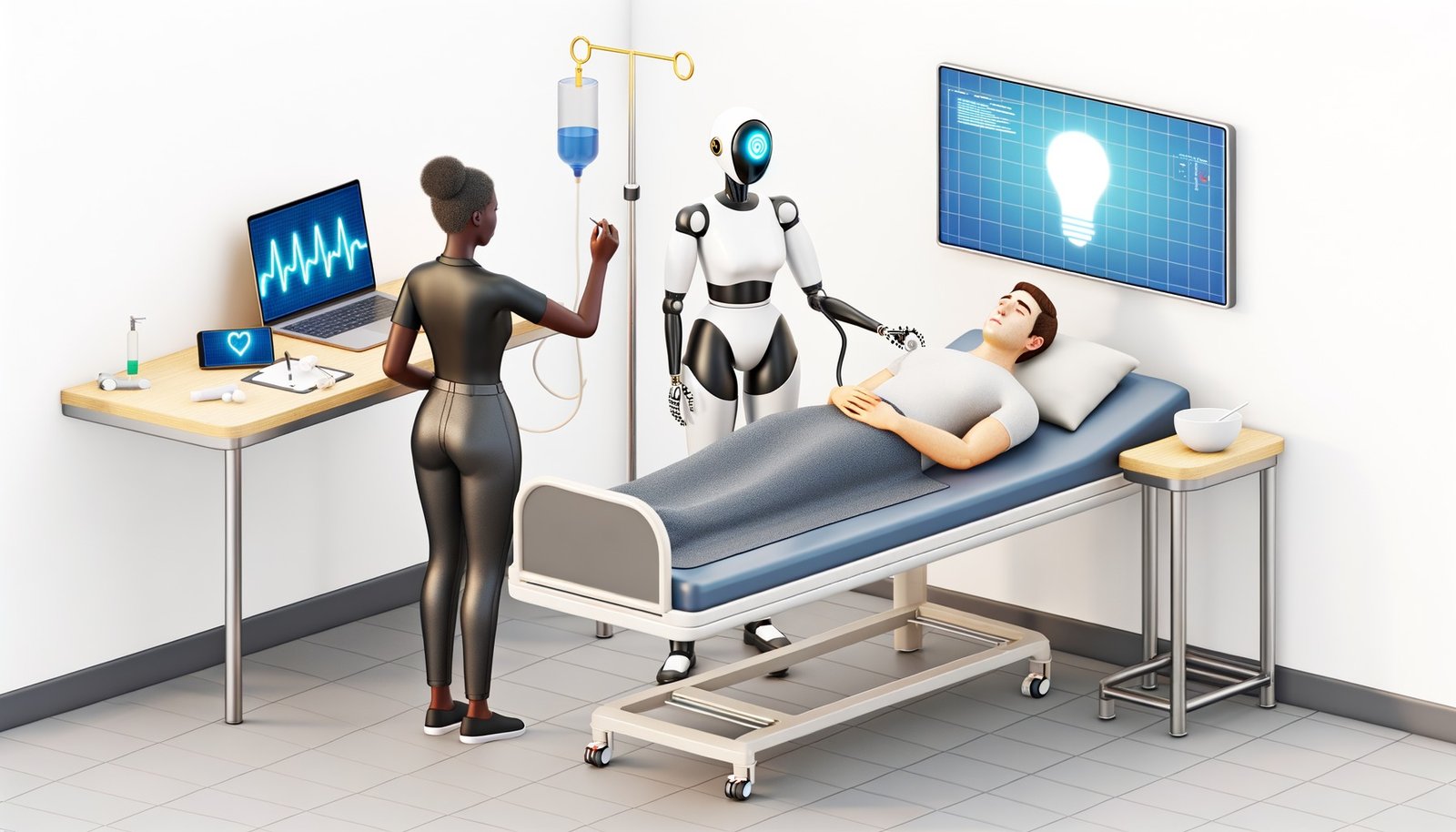
Policymakers and health officials in Europe are weighing the benefits of AI-powered healthcare against security concerns, including extremist abuse and the limitations of chatbots in managing mental health support.
European health systems turned increasingly moving towards AI in 2025, using new tools to predict diseases, accelerate diagnosis and reduce administrative workloads.
Countries including FinlandEstonia and Spain have adopted AI to train staff, analyze medical data and detect illnesses earlier, while hospitals have introduced AI scribes to free up doctors’ time with patients.
Researchers have also advanced AI models capable of predicting more than a thousand pathologies several years before diagnosis, including heart disease, diabetes and certain cancers.
Other tools detected heart problems in seconds, flagged prostate cancer risks more quickly, and monitored patients recovering from stenting procedures instead of relying solely on manual checks.
Experts have warned that AI should support clinicians rather than replace them, as doctors continue to outperform AI in urgent care and chatbots struggle to meet mental health needs.
Security experts have also warned that extremists could try to exploit AI develop biological threats, prompting calls for stronger safeguards.
Despite these risks, AI-based approaches are now being integrated into European medicine, from combating antibiotic-resistant bacteria to streamlining routine paperwork. Policymakers and health leaders are increasingly focused on how to scale innovation safely instead of simply seeking rapid deployment.
Would you like to know more about AI, technology and digital diplomacy? If applicable, ask our chatbot Diplo!