



1 in 4 business owners say AI is costing them customers: here’s what it means for 2026
In a new survey conducted by UIPrinta US-based online custom printing service, business owners have revealed a complex relationship with artificial intelligence. While many see opportunities in AI’s potential, others are grappling with the challenges it creates, from lost revenue and eroding trust to difficult questions about authenticity and accountability.
As AI reshapes the small business landscape, entrepreneurs are learning to adapt, stay competitive, and use automation without losing the human touch that defines their work.
Main conclusions:
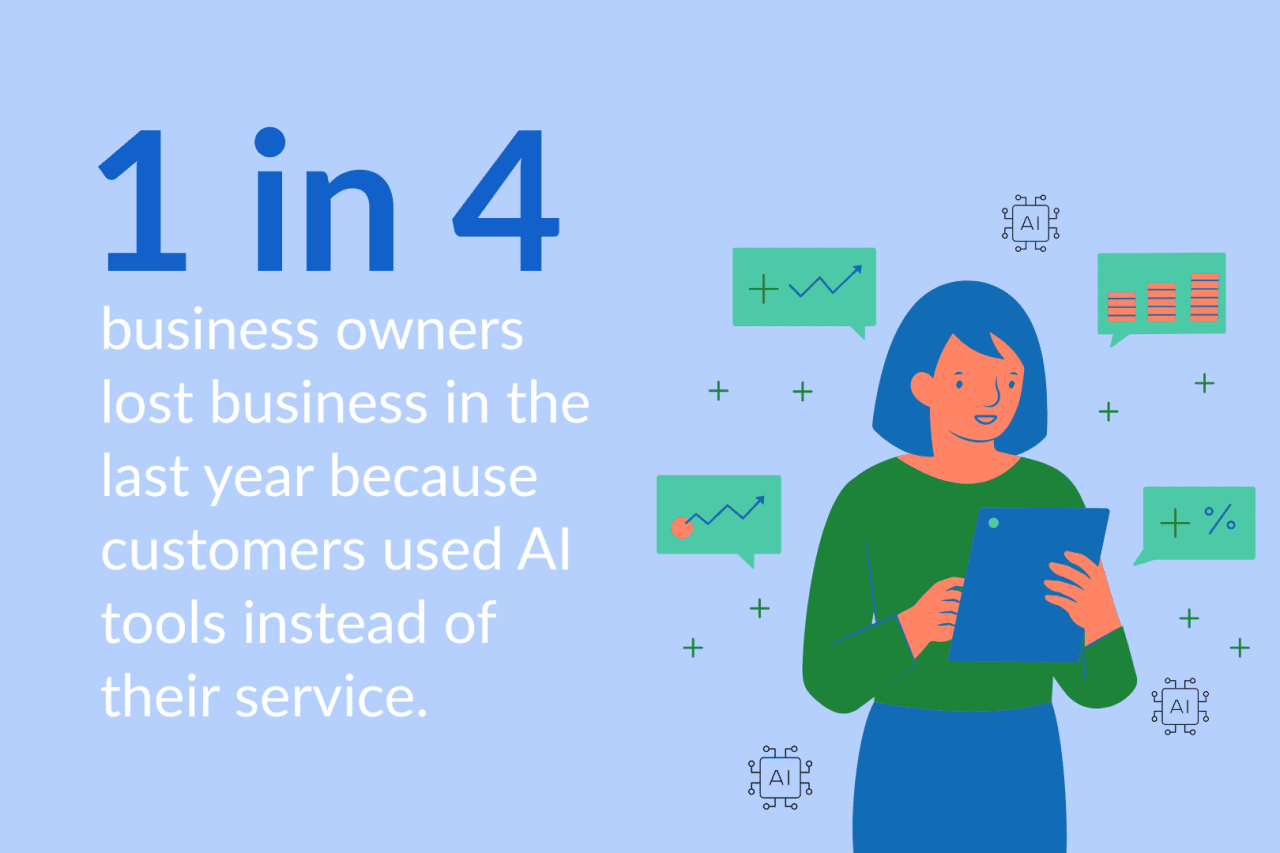
- 25% of business owners lost business in the last year because customers used AI tools instead of paying for their service.
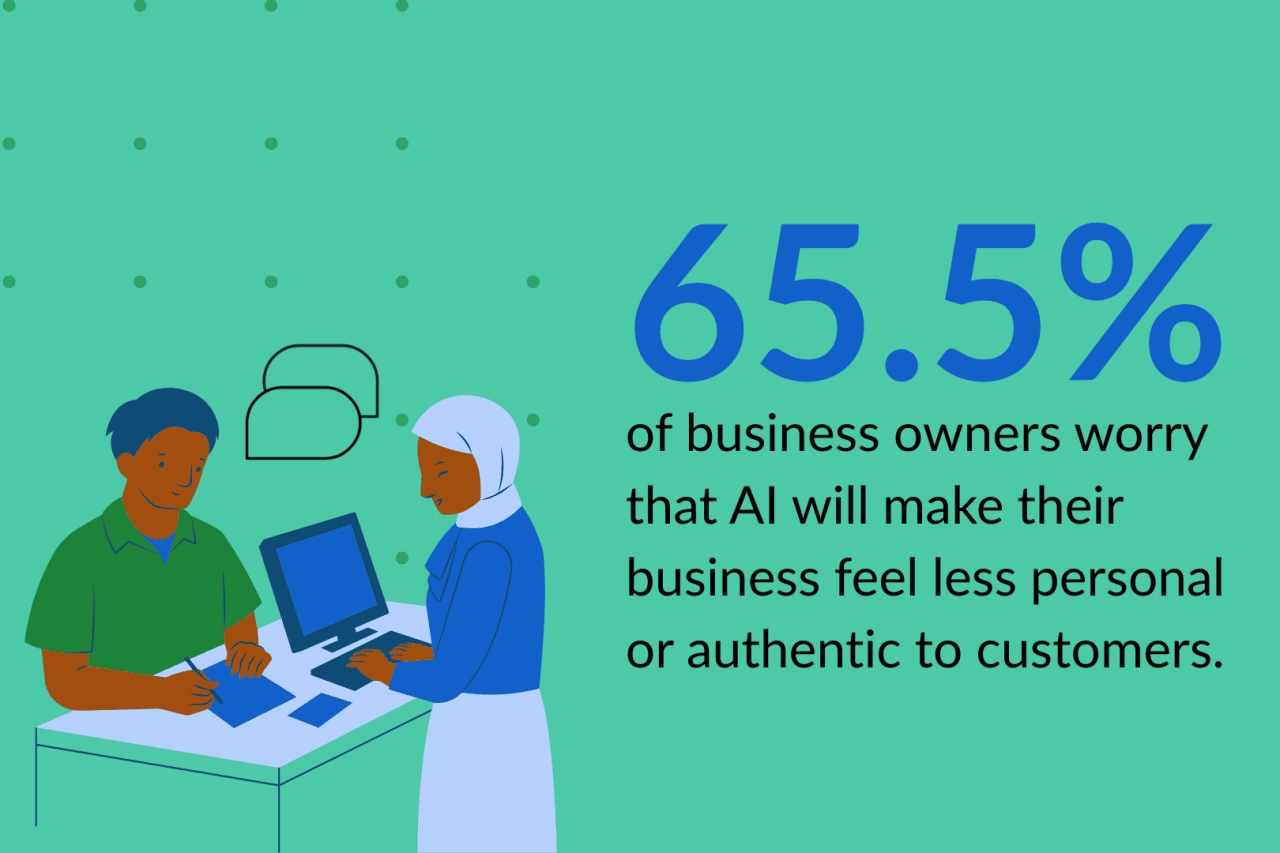
- 65.5% of business owners worry that AI will make their business less personal or authentic to customers.
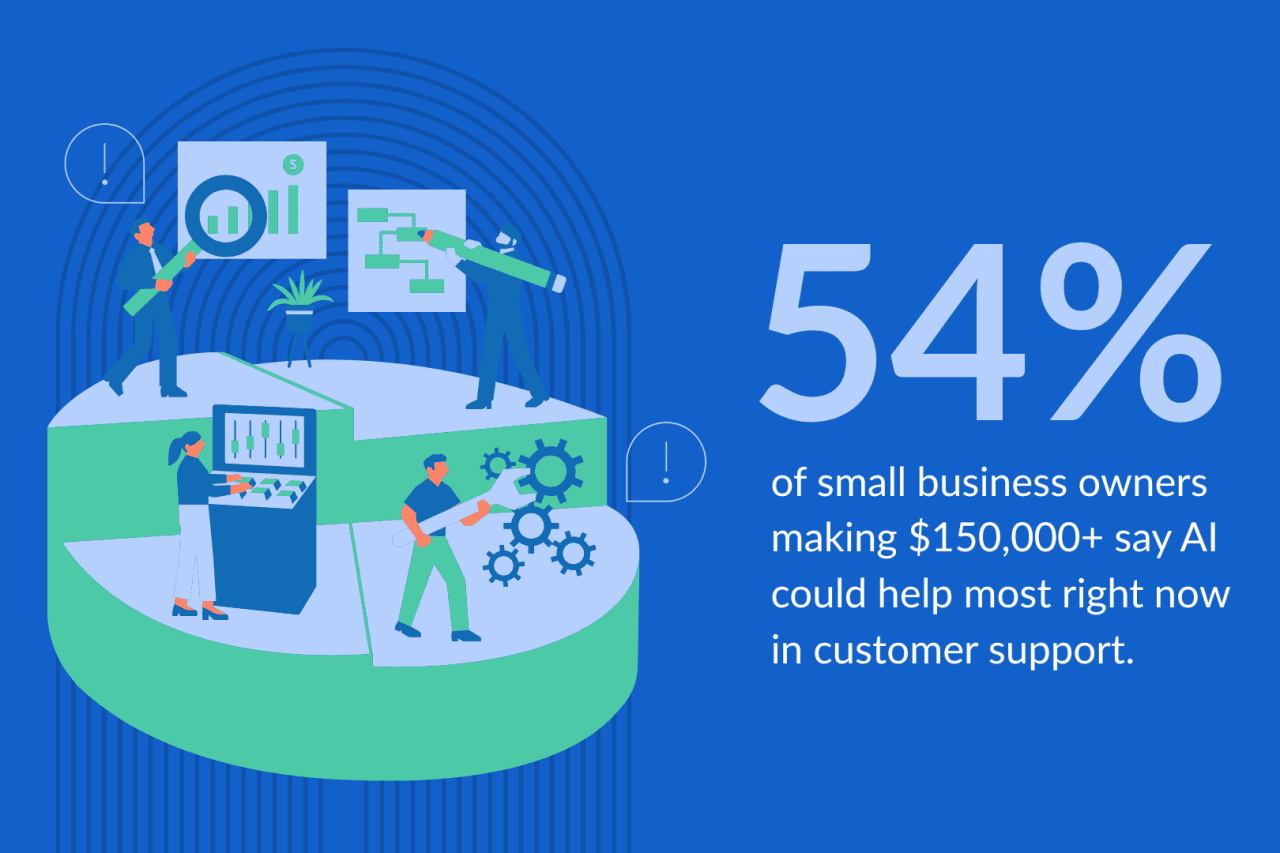
- 54% of small business owners making more than $150,000 say AI could be the most helpful right now when it comes to customer support.
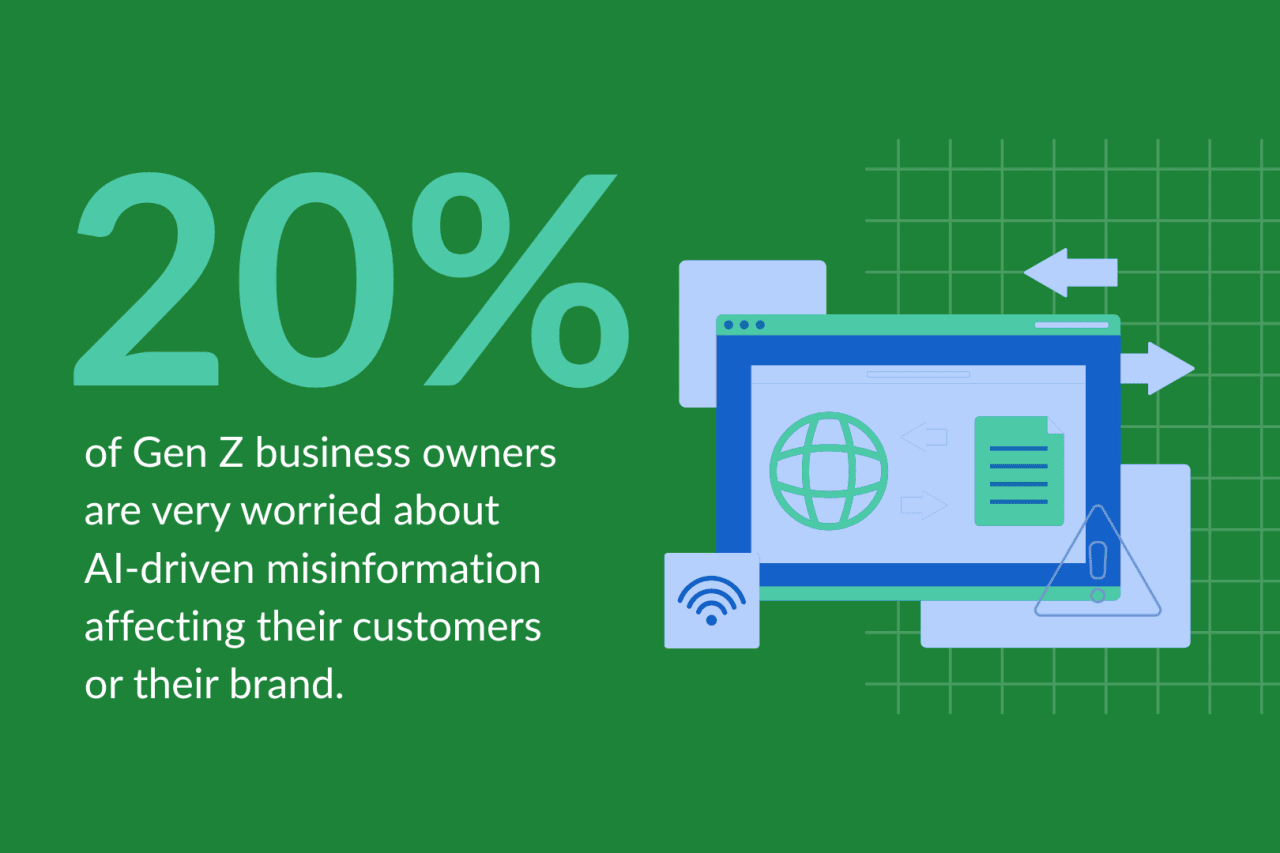
- 20% of Gen Z business owners are very concerned about AI-generated misinformation affecting their customers or brand.
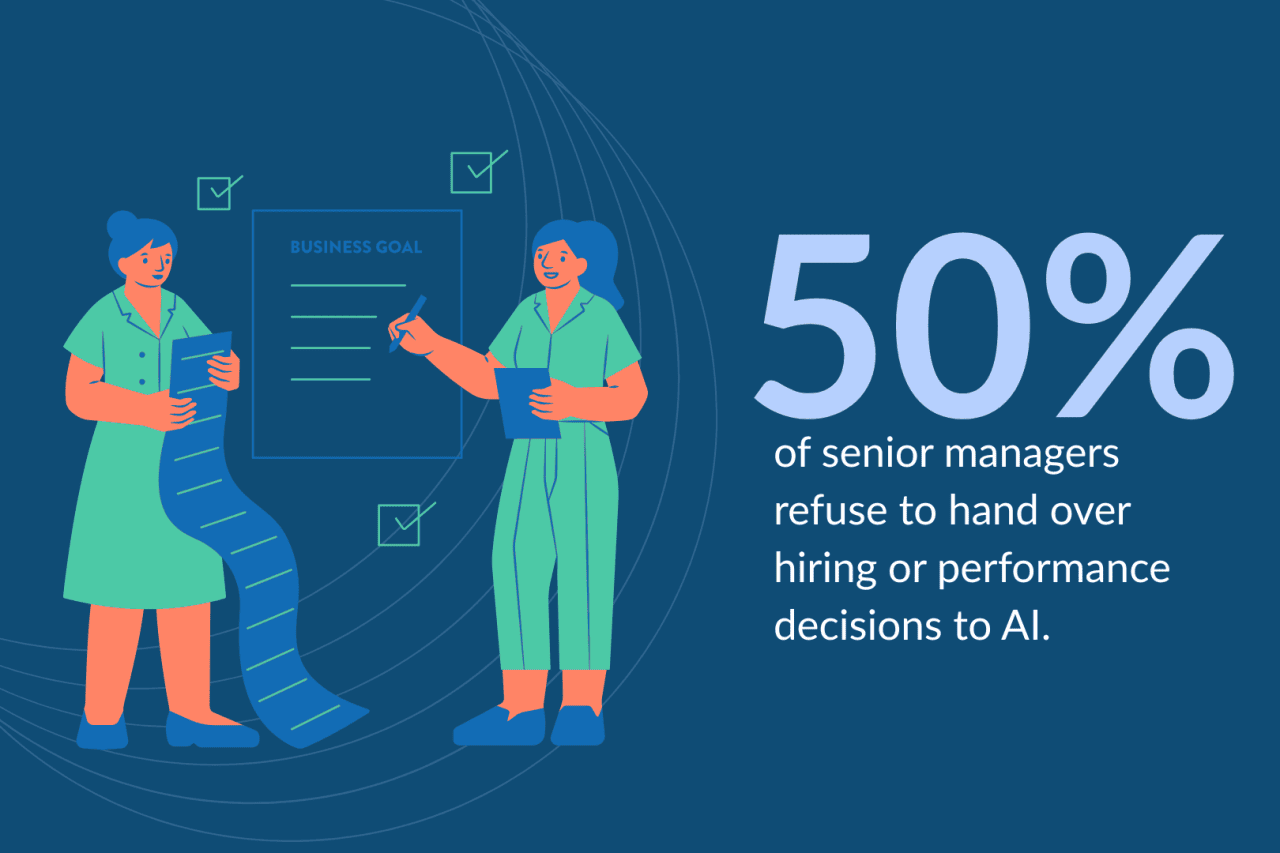
- 50% of senior executives refuse to entrust hiring or performance decisions to AI.
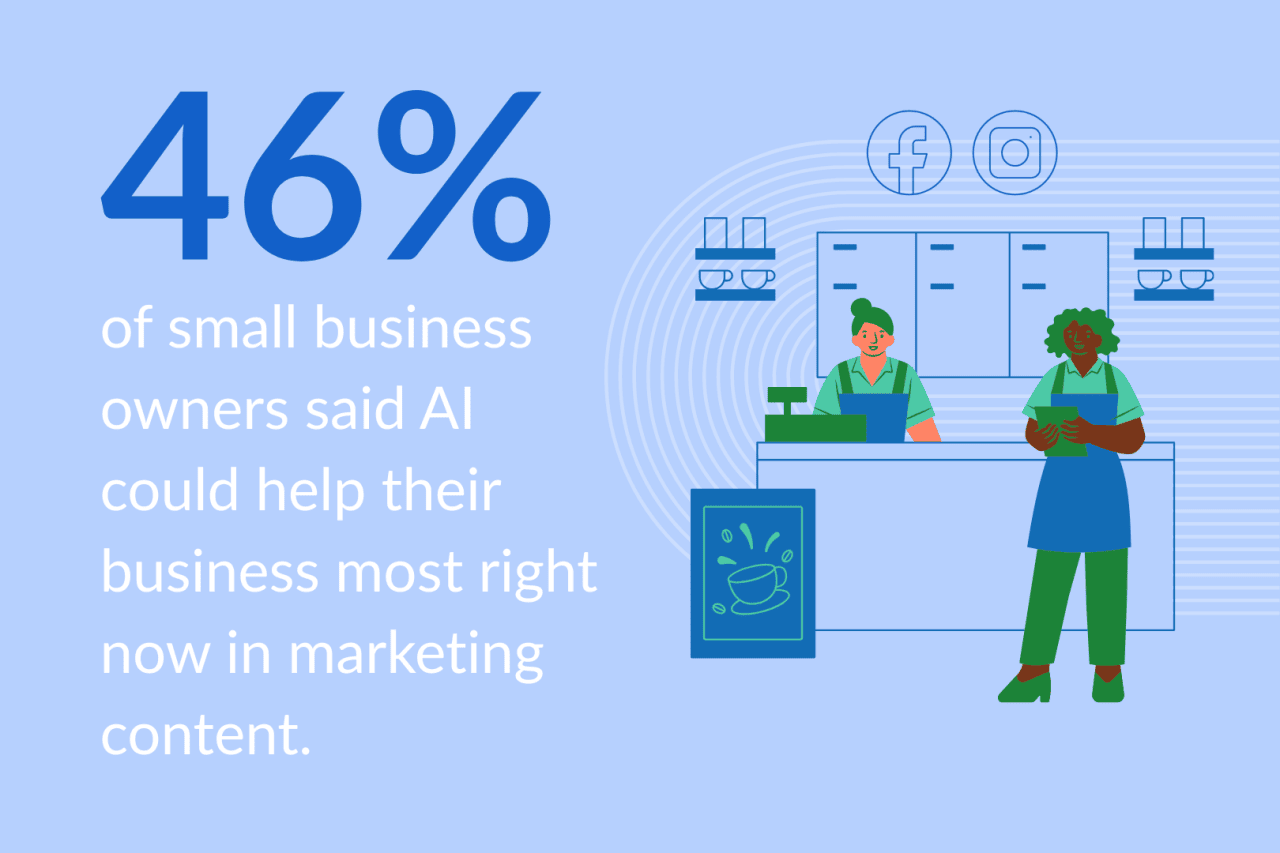
- 46% of small business owners said AI could currently help their business the most in terms of marketing content.
When AI becomes competition: 1 in 4 business owners say they are losing customers to DIY technology
 UIPrint
According to a study by UPrinting, 25% of business owners reported losing business in the past year as customers turned to AI tools instead of paying for their services.
The same DIY mindset that once powered YouTube tutorials is now powered by AI. Instead of searching for how to design a logo, consumers type “generate me a logo” into an AI dialog box. These tools provide near-instant results, and this convenience often outweighs the value of expertise.
Rather than seeing AI as a threat, many entrepreneurs are responding with creativity and resilience. They emphasize the expertise, judgment and human connection that machines cannot replicate and, in many cases, integrate AI into their own processes to stay competitive.
This disruption is also an opportunity for innovation, as business owners learn to coexist with the same technology that is reshaping their industry.
Balancing technology and trust: Business owners aim to keep AI human
 UIPrint
As AI becomes increasingly integrated into daily operations, UPrinting’s survey shows that 65.5% of business owners share a common concern: Relying too much on AI could make their business less personal or less authentic in the eyes of customers.
For small and medium-sized businesses, authenticity is their advantage. They’ve built a loyal following through relationships, personalized service, and genuine connection, things an algorithm can’t replicate. And, as consumers become increasingly fatigued by AI-generated content, many can spot it instantly and interpret it as lazy or impersonal.
Instead of rejecting automation altogether, business owners are learning to strike the right balance, using AI to support, not replace, their brand personality. Whether it’s personalizing communications, putting real people in customer-facing roles, or using AI tools for greater efficiency behind the scenes, the goal is the same: stay innovative without losing trust.
Marketing Makeover: Nearly Half of Small Business Owners Turn to AI for Content Support
 UIPrint
In UPrinting’s survey, 46% of small business owners said AI could currently help their business most in the area of content marketing.
From social media posts to blog copy and email campaigns, entrepreneurs are looking to AI marketing tools as a powerful way to save time and improve visibility. Many small business owners wear many hats and content creation often falls through the cracks. Generative tools help bridge this gap, allowing owners to maintain consistency and creativity without relying on an agency.
For many, AI has become a creative partner, not a substitute. What once took hours now takes minutes, freeing up time to focus on growth, strategy and customer relationships. And when it comes to print media, business owners continue to invest in marketing materials that help their brands stand out in a crowded marketplace. According to UPrinting, tangible marketing assets such as signage, packaging and direct mail remain a key way for small businesses to differentiate themselves in an increasingly digital environment.
High salaries, high expectations: the customer service revolution is happening behind the scenes
 UIPrint
Among higher-income business owners, those earning $150,000 or more, more than half say AI could make the biggest difference in customer support.
Once a business scales, the demand for fast, consistent communications skyrockets. AI-powered chatbots and assistants help small teams achieve 24/7 responsiveness without increasing headcount. It’s not about replacing people; it’s about improving the customer experience.
By automating FAQs and streamlining routine inquiries, business owners free up human staff to handle complex and highly sensitive interactions. The result is faster responses, happier customers, and a support system that grows smarter.
Gen Z business owners voice concerns about AI and misinformation
 UIPrint
Not all business owners see AI as a benefit. One in five Gen Z entrepreneurs say they are very concerned about AI-generated misinformation and its potential impact on their customers and brand reputation.
This generation has grown up online thanks to the rise of fake news, deepfakes and algorithmic distortions. They saw first-hand how quickly misinformation spreads and how difficult it is to undo once it has spread. For them, brand credibility is fragile and AI represents both power and risk.
Rather than seeking speed or automation, Gen Z founders are taking a slow and steady approach to authenticity, prioritizing transparency and oversight. They know that being distrusted is worse than being marginalized, and they create brands designed to earn trust, not just clicks. This means looking at aspects of the business that AI can’t automate, like unique packaging and other tangible brand touchpoints that make their products memorable.
Leaders Draw the Line: Senior Executives Keep the Human Touch When Hiring
 UIPrint
According to the survey, 50% of senior executives are strongly opposed to handing over hiring or performance decisions to AI, a sign that human judgment still matters most when dealing with people.
They’ve seen the consequences of biased algorithms in hiring and performance reviews, and they’re hesitant to let automation decide who gets hired, promoted, or fired. For these leaders, people management is about empathy and context, not data.
They are not anti-AI; they are pro-responsibility. As automation advances, many are choosing to let humans have the final say, ensuring that fairness, trust and company culture are not victims of convenience.
Summary
As UPrinting’s study shows, business owners across industries and generations are thinking critically and creatively about how to make AI work for them without losing what makes their business unique.
While technology presents new challenges, it also opens up new opportunities to connect, grow, and serve customers in smarter, more meaningful ways. Whether they set firm boundaries or jump in with curiosity, today’s entrepreneurs lead with intention.
In the face of rapid change, they prove that the future of businesses does not depend solely on AI. It’s about human resilience, adaptability and heart. This research was conducted by UPrinting, a commercial printing and print marketing company that works with small businesses across all industries.
Methodology
To understand how Americans are approaching artificial intelligence in small business, UPrinting surveyed 1,000 adults across the country via Pollfish, including a sample of small business owners, managers and entrepreneurs from a wide range of industries. Participants answered a series of questions about how AI affects their work, the challenges they face, and where they see the most opportunities. Responses were analyzed by demographic groups to identify trends and differences by age, income level and position.
This story was produced by UIPrint and revised and distributed by Stacker.