

The definition of luxury travel fluctuates depending on demographics, and the way technology plays into it is also evolving with evolving needs and tools like artificial intelligence (AI).
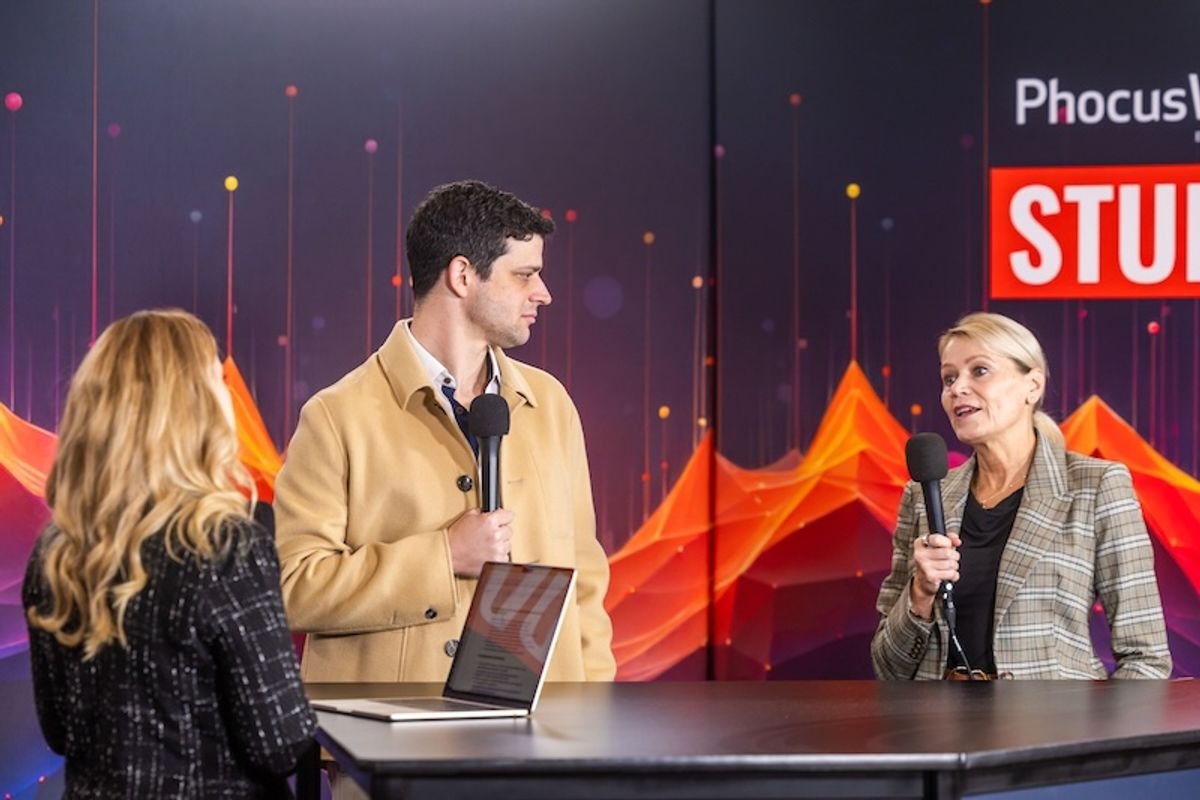
“The luxury audience… varies widely based on the maturity level of that wealth, where they are from across the planet, whether they are traveling alone or in groups, (whether they are) multigenerational and where they are on the luxury ladder,” Kristie Goshow, chief commercial officer of Loews Hotels & Cosaid during an interview in the PhocusWire studio at The Phocuswright Conference.
Luxury travelers often look for technology to eliminate friction when traveling, Goshow said. Hospitality providers are expected to improve the experience, and technology must enable this.
Phocuswright’s 2025 U.S. Consumer Travel Report reveals that “indulgent explorers,” defined by their leisure travel spending per person per day, excluding airfare, are more tech-savvy. The study revealed 78% seek and enjoy being among the first to adopt new technologiescompared to 38% of the general population.
Lark CEO Mike Greene agreed. Although definitions may vary, for Greene, luxury is about dynamic personalization.
“It’s about being proactive, having service that is extremely proactive and attentive to what people need before they even know what they need,” Greene said. “And technology can play a huge role in that.”
Right now, AI can be instrumental in planning and generating recommendations, and Greene predicts that the new frontier will be technology that can anticipate customer needs and get ahead of them.
However, Greene said AI’s predictive capabilities are still far from reaching the luxury level.
Goshow and Greene also discussed the impact of data collection and use on the technology that powers luxury, the ever-present need for human contact, the impact of social media on luxury and much more.
Watch the full interview with senior reporter Morgan Hines below.
What technology brings to the luxury travel market