

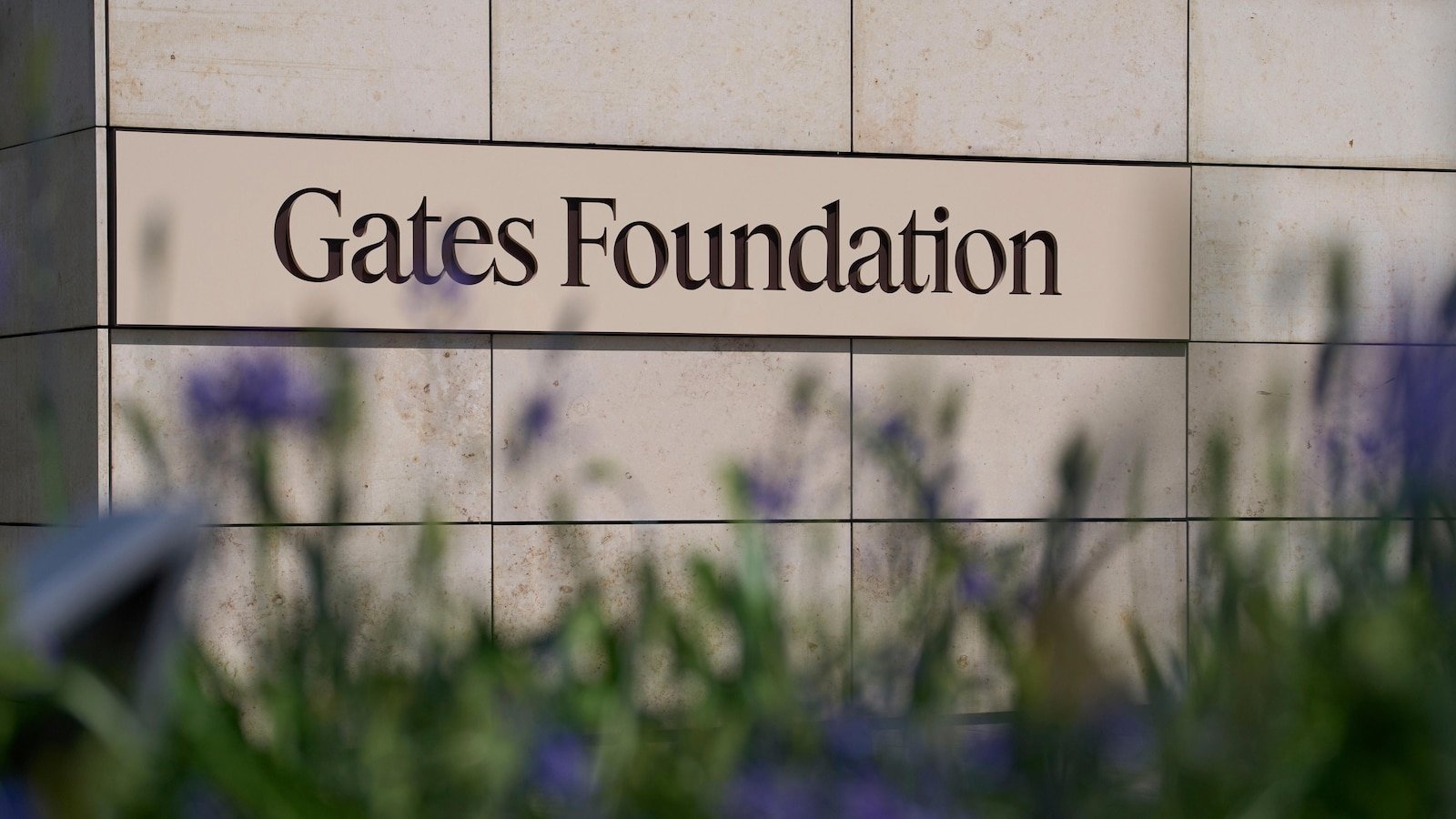
Rwanda will test artificial intelligence-based technology in more than 50 health clinics as part of a new Gates Foundation initiative to support 1,000 clinics across Africa in a bid to improve health services.
KIGALI, Rwanda– KIGALI, Rwanda (AP) — Rwanda will test technology powered by artificial intelligence in more than 50 health clinics as part of a new Gates Foundation initiative to support 1,000 clinics across Africa with the aim of improving health care services.
The technology is intended to augment rather than replace clinical judgment, while improving the efficiency of an already overburdened health system, Andrew Muhire, a senior Rwandan health ministry official, told The Associated Press on Thursday.
Rwanda now has one health worker per 1,000 patients, which is far from the globally recommended ratio of 4 per 1,000.
The Gates Foundation and OpenAI launched a new initiative called Horizons1000 on Wednesday, with joint funding of $50 million over two years. Bill Gates said the initiative would help close the health inequalities gap.
“In poorer countries experiencing huge healthcare workforce shortages and a lack of health systems infrastructure, AI can be a game-changer by expanding access to quality care,” Gates said in a blog post to mark the launch.
Muhire described it as a “transformational opportunity” that will improve citizens’ access to healthcare, “reduce administrative burden” and help healthcare professionals make “more accurate and timely decisions.”
However, digital experts are concerned about AI technology using the English language, which is little spoken in Rwanda.
Audace Niyonkuru, CEO of AI and open data company Digital Umuganda, told the AP that efforts are underway to develop AI technologies in Kinyarwanda, the language spoken by about 75% of Rwanda’s population.
“Deploying AI technologies that do not work in Kinyarwanda would pose a serious obstacle to effective care,” he said.