

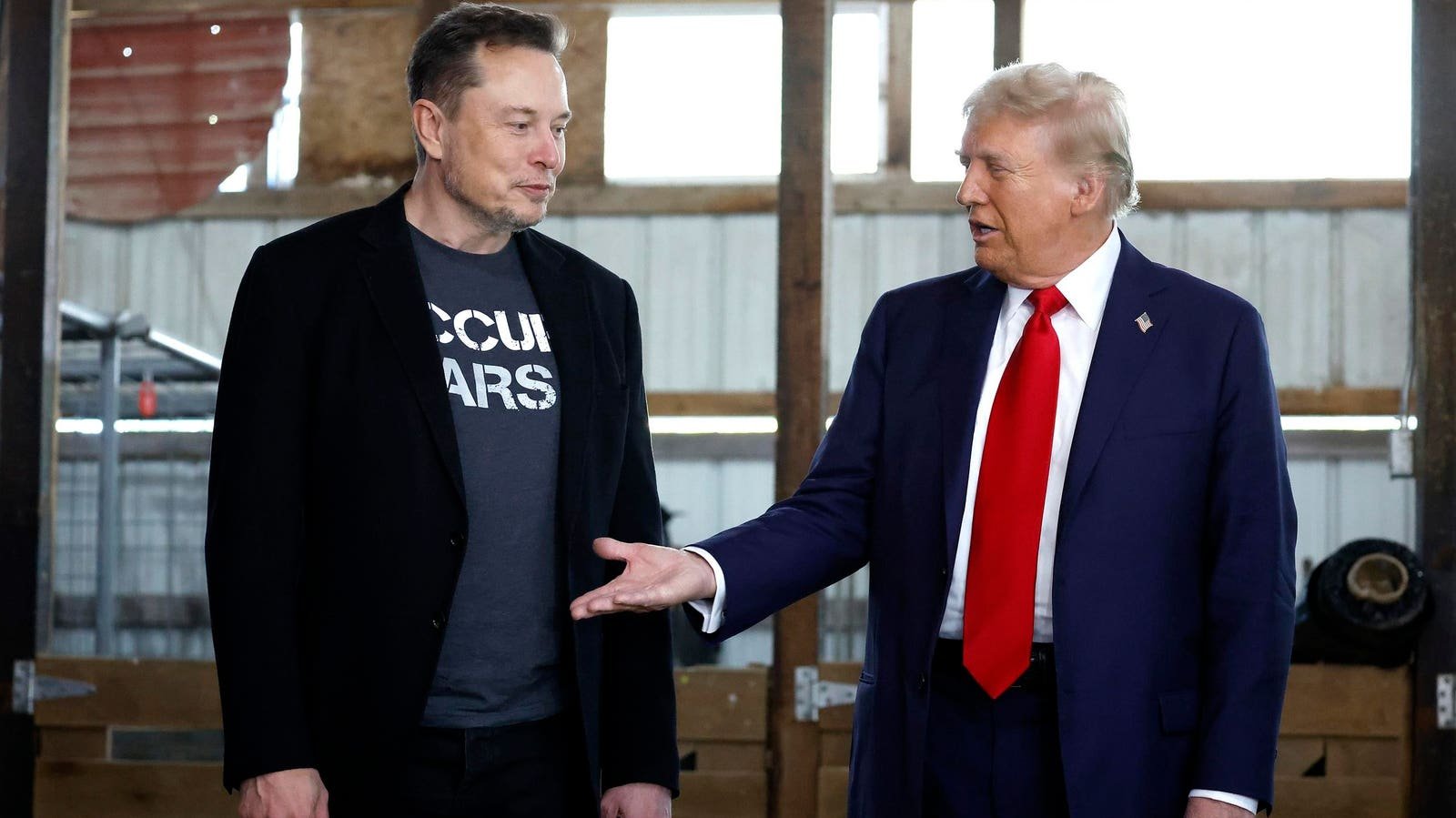
Elon Musk and Donald Trump could shape the direction of Republican priorities, technological innovation and … (+)
The return of Donald Trump to the White House, coupled with Republican control of both houses of Congress, would undoubtedly reshape the technology sector. Rooted in Trump’s America First philosophy and an unwavering commitment to innovation over regulation, his administration’s policies could unleash rapid technological progress while significantly changing global dynamics of technology. AI, cybersecurity and other crucial areas of technology policy.
To anticipate the impact of a Trump presidency, we can look to the Republican 2022 midterm agenda, which emphasized deregulation, reforming Section 230, and promoting innovation. This agenda provides an overview of the priorities that could define a second Trump term. Additionally, the influence of thought leaders like Elon Musk is expected to leave an indelible mark on the development of these policies, further amplifying their potential impact on the technology landscape.
AI innovation rather than regulation
With Donald Trump returning to the White House, his administration is poised to prioritize accelerating AI innovation by removing regulatory barriers that could hamper U.S. competitiveness. While the Biden administration’s executive order on AI emphasized ethical guidelines and guardrails, Trump’s approach, heavily shaped by figures like Elon Musk, focuses on creating a freer environment for the development of AI. Musk, during his recent appearance on Joe Rogan’s podcast while introducing Grok, made a strong case for reducing alignment constraints to ensure the United States maintains its advantage over global competitors like the China.
Along with the influence of other tech-savvy leaders, like Vice President J.D. Vance, on policy, this focus underscores the broader Republican philosophy of minimizing government interference to foster rapid technological progress. Revisions to Biden’s executive order are expected to move away from strict ethical standards and instead emphasize innovation and encouraging private sector contributions, a cornerstone of Trump’s innovation-focused agenda.
OpenAI, led by CEO Sam Altman, has already positioned itself to align with the Trump administration’s goals. At a recent event at the Center for Strategic and International Studies, Chris Lehane, OpenAI’s vice president of global affairs, presented the company’s activities. “Infrastructure plan for the United States,” which highlights the essential role of AI in revitalizing the American economy.
This vision closely aligns with that of the Trump administration, which sees AI as both a tool for technological advancement and a key driver of economic resurgence.
Antitrust: ongoing and dynamic bipartisan review
Under a second Trump administration, antitrust policies toward big tech are likely to evolve rather than disappear. While the aggressive enforcement seen under the Biden administration could be tempered, the focus could be on addressing specific issues like content moderation and perceived censorship, instead of continuing mass breakups of big tech companies .
Notably, President-elect Trump’s nomination of former Congressman Matt Gaetz as attorney general demonstrates a continued focus on big tech. Gaetz, a vocal critic of Big Tech for its alleged censorship of conservative viewpoints, has advocated for antitrust measures against companies like Amazon, Meta and Google. His appointment suggests that while broad litigation against these companies may slow, focused scrutiny of their practices will remain a priority.
Vice President-elect JD Vance also supports enforcing antitrust laws against big tech companies, aligning with broader bipartisan efforts led by figures like Sen. Elizabeth Warren. This cross-party concern suggests that, despite differing approaches, the focus on regulating big tech’s market dominance will persist. Although the Trump administration may take a more selective stance on antitrust enforcement than its predecessor, the presence of officials with a history of challenging big tech underscores that increased regulatory scrutiny will continue, particularly over issues related to market power and freedom of expression.
Cryptocurrency: adopting blockchain innovation
Trump’s evolving stance on cryptocurrency signals possible adoption of blockchain innovation as a strategic economic tool. Republicans’ continued support for free-market technology solutions aligns with this trajectory, fostering an environment in which blockchain and digital currencies can thrive. Simplifying compliance and tax frameworks could position the United States as a leader in this area, attracting investment and driving progress. The administration would likely encourage the application of blockchain beyond finance, harnessing its potential to transform supply chains, data security, and more.
Cybersecurity: offensive strategies and national defense
Trump’s first term laid an important foundation for cybersecurity, modernizing federal defenses and promoting a proactive posture against adversarial threats. His administration elevated U.S. Cyber Command and introduced the first national cybersecurity strategy in more than a decade. A second term could build on this by expanding offensive measures and encouraging private sector leadership in protecting critical infrastructure. However, Trump’s often tense relationship with intelligence agencies could shift the balance of responsibility further toward private companies, fostering private development innovation in defensive tools and protocols. Public-private partnerships are expected to play an increasingly central role in these efforts, while policies encouraging counterattacks against cyber adversaries could redefine global cyber defense standards.
For the Cybersecurity and Infrastructure Security Agency, a second Trump administration could bring significant changes. CISA’s collaboration with private companies could expand, as the agency works to build resilience across sectors. However, the agency could face challenges if the Trump administration emphasizes deregulation, which could limit CISA’s ability to impose standards. compliance with cybersecurity standards. Additionally, any reduction in federal oversight could result in greater reliance on voluntary cooperation from the private sector, which can lead to uneven implementation of security measures across sectors.
Semiconductor and supply chain independence
Reducing dependence on China has long been a cornerstone of Trump’s economic policy, and it will continue to guide his approach to the technology sector. Semiconductor export restrictions introduced under the Biden administration are likely to expand, supplemented by incentives to repatriate critical manufacturing capacity. This effort would aim to consolidate American dominance in fundamental technologies such as semiconductors and AI hardware. Expect substantial federal investments in domestic manufacturing and research, as well as grants designed to catalyze next-generation technological breakthroughs.
Energy: nuclear energy for the growth of AI
The growing demand for power from AI workloads makes energy policy a key consideration for the technology sector. Trump’s support for nuclear power as a pillar of energy independence could play a central role in this. His administration had previously championed small modular reactors and other advanced nuclear technologies, laying the groundwork for what many see as a nuclear renaissance. A second term would likely prioritize nuclear power as a sustainable solution for power supply. AI and cloud infrastructurewith federal support aimed at accelerating deployment and innovation in next-generation nuclear technology.
Social media: relaxed moderation and freedom of expression
Trump’s criticism of content moderation policies on platforms like Twitter (now X) highlights an agenda to reduce oversight of misinformation while emphasizing transparency and freedom of expression. These efforts are linked to Republican priorities for reforming section 230ensuring greater accountability of technology platforms without stifling innovation. This approach could lead to legislative mandates requiring platforms to disclose their algorithms and content moderation practices, ensuring users understand the mechanisms behind what they see and experience. At the same time, relaxed standards could change the landscape of online discourse, reshaping the balance between free speech and combating misinformation.
The balance of the technology sector
A Trump administration would likely bring profound changes to the technology sector, requiring a delicate balance between deregulation and innovation, on the one hand, and the pressing demands of geopolitical competition and national security, on the other. For technology leaders, success will depend on their ability to align with evolving national priorities while maintaining a competitive advantage in global markets.
This balancing act requires resilience and agility. Companies will need to diversify their supply chains to mitigate geopolitical risks, invest in domestic talent to reduce dependence on foreign expertiseand strengthening cybersecurity defenses to guard against increasingly sophisticated threats. These changes will not only protect companies, but also position them as strategic partners in advancing U.S. technology policy.
The Republican technology agenda, with its emphasis on fostering innovation and reducing regulatory burdens, combined with influential voices like Elon Musk advocating for bold, no-holds-barred advances, portends a future in which the tech sector American could undergo a significant transformation. The next four years could redefine the trajectory of U.S. technology leadership, with lasting ripple effects on global innovation, regulation, and competitiveness for decades to come. For companies ready to adapt and seize the opportunity, this era could mark the beginning of unprecedented growth and influence.