

– Advertisement –
In today’s highly connected world, supply chains are at the heart of global commerce. Efficient movement of goods is vital to the health of businesses, economies and consumers.
Faced with the challenges of growing consumer demand, rising transportation costs and the complexity of global trade, businesses are increasingly turning to technology, particularly artificial intelligence (AI), to optimize processes. of the supply chain.
This transformation not only improves efficiency, but also generates cost savings, reduced carbon footprint and improved customer satisfaction.
In this in-depth exploration, we’ll look at how AI is revolutionizing supply chains and route optimization, making logistics smarter and more adaptable to modern market demands.
The role of AI in supply chain management
Supply chains are a complex network of activities, from sourcing and production to warehousing, transportation and final delivery. Traditionally, these processes rely heavily on human oversight, leading to inefficiencies and delays, particularly in response to unforeseen circumstances.
AI is reshaping this landscape by automating decision-making, predicting disruptions, and ensuring optimal performance through:
- Demand Forecast: Accurate demand forecasting is crucial to maintaining the right inventory levels and reducing stock-outs and excess inventory. AI-based models use historical data, real-time trends, and external variables such as weather or economic indicators to predict demand with high accuracy.
- For example, Amazon uses machine learning to anticipate purchasing behaviors, which allows them to optimize inventory and reduce unnecessary costs.
- Supplier relationship management: AI helps manage supplier relationships more effectively by analyzing supplier performance data, predicting potential disruptions, and identifying alternative suppliers when needed. AI-based insights into supplier reliability and risks can mitigate issues related to delays or quality.
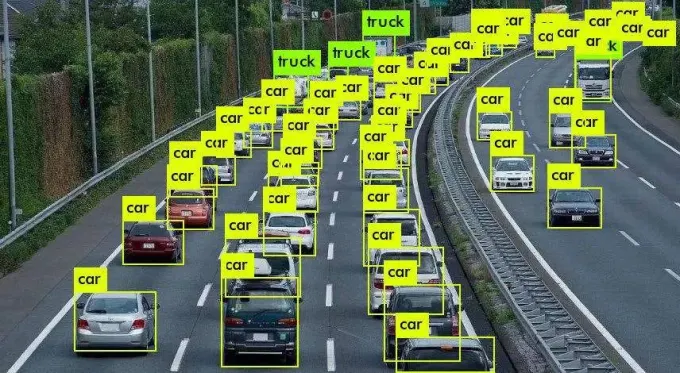
- End-to-end visibility: AI-powered supply chain visibility tools enable stakeholders to track goods in real-time. Technologies such as computer vision and IoT are combined with AI algorithms to provide real-time updates on shipments, warehouse inventory and delivery status, ensuring a better decision-making and transparency.
- Warehouse automation: AI-based robots and software are making warehouses smarter. Automating order picking, packaging and inventory management not only increases speed, but also reduces errors. AI models, such as those used by Ocado, ensure automated warehouses operate with minimal downtime and maximum efficiency.
AI in route optimization
Route optimization is one of the most prominent applications of AI in logistics. Transportation is an important part of logistics, and the ability to deliver goods efficiently can have a significant effect on profitability and customer satisfaction.
- Dynamic route planning: Traditional route planning methods are static and cannot easily adapt to changes such as weather conditions, road closures or unexpected delays. AI-powered route optimization tools leverage real-time traffic data, weather forecasts, and historical patterns to dynamically determine the most efficient delivery routes. This ensures minimal disruption and optimizes delivery times.
- Predictive Analytics for Fleet Management: Predictive analytics, powered by AI, can analyze vehicle health and driver behavior to prevent potential breakdowns and improve the efficiency of fleet operations. Predictive maintenance, which schedules repairs before problems become critical, helps reduce downtime and extend vehicle life.
- Reduce fuel consumption: AI-based route planning not only optimizes routes in terms of time, but also in terms of energy efficiency. Shorter, optimized routes and reduced idling using AI can result in significant fuel savings, leading to reduced costs and a lower carbon footprint. UPS, for example, uses an AI-based system called ORION to reduce miles traveled and improve the fuel efficiency of its fleet.
- Autonomous deliveries: The use of AI also paves the way for autonomous deliveries via drones and autonomous vehicles. These AI-powered delivery systems can significantly reduce labor costs and improve efficiency, especially for last-mile deliveries, which are often the most expensive segment of the logistics process.
The Benefits of AI in Supply Chain and Logistics
- Increased efficiency: AI-driven automation and optimization lead to faster processes and reduced manual intervention. This increases the overall efficiency of supply chains, allowing businesses to grow without a proportionate increase in labor costs.
- Cost reduction: Effective route planning, optimal inventory management and reduced downtime all contribute to significant cost reductions. According to a McKinsey study, companies using AI in their logistics operations reported savings of up to 20%.
- Improved customer experience: Accurate demand forecasts, real-time delivery updates, and timely deliveries all help improve the customer experience. AI ensures that customers are kept informed and their orders arrive within the promised time frame.
- Greater resilience: With AI-driven insights, supply chains become more resilient to disruption. Machine learning models can predict risks such as supplier delays, weather disruptions or changes in consumer behavior, allowing businesses to adapt and respond proactively.
Challenges of adopting AI in supply chains
While AI has many benefits, businesses face certain challenges when adopting it:
- Data quality and availability: The effectiveness of AI depends on the data it processes. Many logistics companies face issues with fragmented or poor-quality data that hampers the potential of AI.
- Initial Implementation Costs: Implementing AI in supply chains requires an initial investment in software, hardware and training. For small and medium-sized businesses, these costs can pose a significant barrier.
- Talent shortage: Qualified professionals who understand both logistics and AI are essential for successful implementation. There is a growing demand for data scientists and AI specialists in logistics, but the talent pool is still limited.
Future Trends in AI for Supply Chains and Logistics
The use of AI in logistics is expected to evolve significantly in the coming years. Here are some trends to watch for:
- Collaborative robots: In warehouses, AI-driven collaborative robots (cobots) will become more prevalent. These robots are designed to work alongside human workers, improving efficiency while maintaining flexibility.
- AI-powered predictive risk management: AI will be used to predict supply chain disruptions and assess potential risks due to geopolitical, environmental or economic factors. This will enable companies to develop more resilient supply chain strategies.
- End-to-end AI integration: As AI continues to mature, we can expect deeper integration across the entire supply chain. This will result in transparent AI-driven decision-making, from supplier selection to delivery and customer feedback.
- Customization and customer-centric logistics: AI will enable logistics companies to offer more personalized services, including personalized delivery times and tailor-made shipping options based on customer preferences.
Conclusion
AI is revolutionizing supply chains and route optimization, transforming an industry that has traditionally relied on human intuition and experience into an automated, data-driven powerhouse.
Using AI in logistics leads to increased efficiency, cost reductions and improved customer experience. Despite challenges around data quality, cost, and expertise, the potential benefits are driving rapid adoption across industries.
As businesses continue to invest in AIthe logistics sector will become smarter, more resilient and increasingly sustainable. In this rapidly evolving landscape, those who adopt AI today will be leaders in supply chain innovations tomorrow.
Read also
How digital twins are transforming real-time monitoring and predictive maintenance
Benefits of Blockchain Technology in the Logistics Sector
– Advertisement –